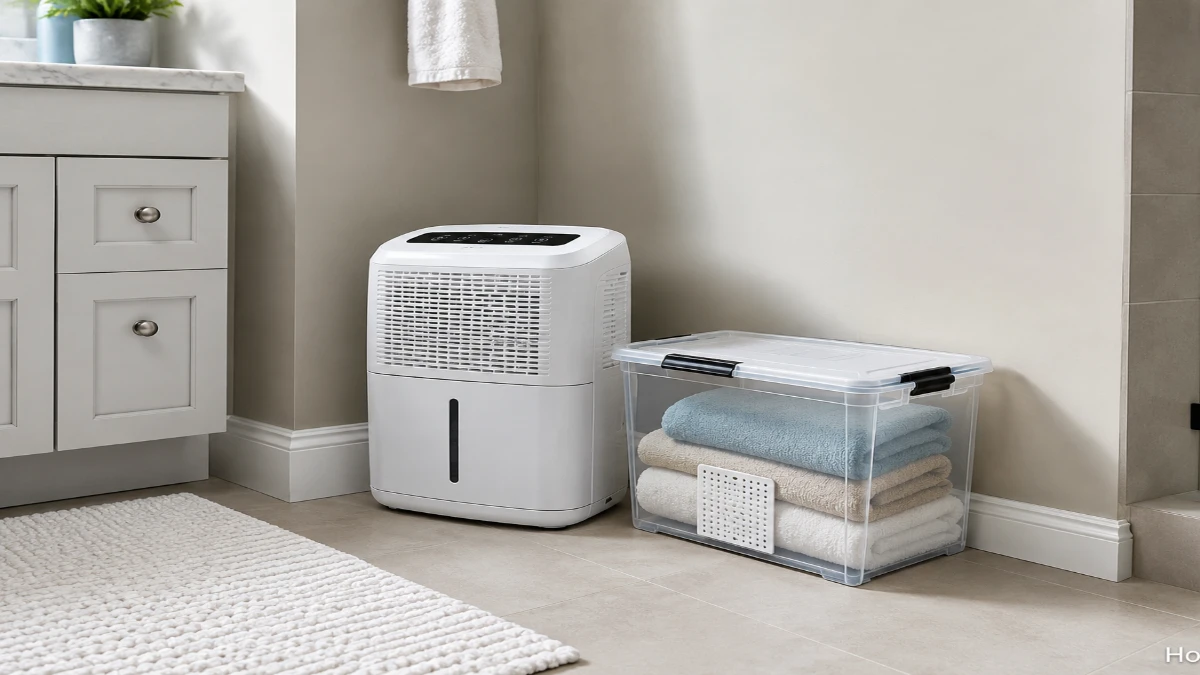
Silverfish are small, wingless, silver-gray insects that thrive in damp, dark corners of homes. Bathrooms, basements, attics, and closets are their favorite hiding spots. They feed on starches, paper, glue, and even mold, which means they can quietly damage books, wallpaper, photos, and stored clothing before you notice a problem. If you’re seeing these fast-moving, fish-shaped bugs at night or finding small yellow stains and tiny black droppings near paper or fabric, you likely have an infestation that needs attention now, not later.
This guide walks you through identifying the source of a silverfish problem, eliminating any existing insects, and setting up long-term prevention to keep them from returning. It’s written for homeowners and renters dealing with anything from a handful of stray silverfish to a more established infestation, and it uses methods that don’t require professional pest control in most cases. By the end, you’ll know how to eliminate the insects you can see, disrupt the conditions that let them breed, and protect vulnerable items going forward.
Featured Snippet
To get rid of silverfish, reduce humidity below 50% with a dehumidifier, seal cracks and entry points, remove clutter and food sources, and use diatomaceous earth or boric acid in hiding spots. Combine sticky traps for monitoring with targeted treatment for a full, lasting solution within 2-4 weeks.
Before You Begin
Difficulty: Easy to moderate, depending on infestation size. Time required: 1-2 hours for initial treatment, plus 2-4 weeks for full elimination.n Cost: $15-$60 for DIY supplies; $150-$400 if you hire a professional. DIY vs. Professional: Most infestations respond well to DIY treatment. Consider a professional if silverfish persist after a month of consistent treatment, or if the infestation spans multiple rooms or involves a crawl space you can’t easily access.
Prerequisites:
- Identify the humid or dark areas where silverfish are active (check at night with a flashlight, since they’re nocturnal)
- Locate their food sources: books, cardboard, wallpaper paste, cereal boxes, or natural fiber clothing.g
- Have basic caulk, a vacuum, and storage containers on hand before starting
Choosing the Right Approach
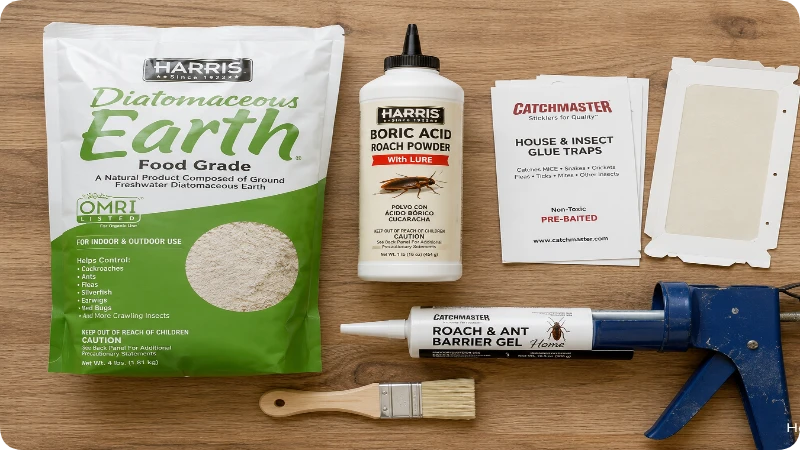
Several methods work for silverfish, and the most effective treatments combine two or more. Here’s how the main options compare:
| Method | Best For | Speed | Toxicity | Cost |
| Diatomaceous earth (DE) | Long-term, pet-safe treatment | Slow (1-2 weeks) | Low | Low |
| Boric acid powder | Heavier infestations | Moderate (1-2 weeks) | Moderate (keep from pets/kids) | Low |
| Sticky traps | Monitoring and light infestations | Slow, passive | None | Low |
| Chemical sprays/baits | Fast knockdown of visible insects | Fast (days) | Moderate to high | Moderate |
| Dehumidifiers | Prevention and root-cause control | Ongoing | None | Moderate (upfront) |
| Professional pest control | Severe or recurring infestations | Fast | Varies | High |
For most households, a combination of dehumidification, diatomaceous earth in hiding spots, and sticky traps for monitoring resolves the problem without the drawbacks of heavier chemical treatments.
At a Glance
| Category | Details |
| Difficulty | Easy to moderate |
| Time | 1-2 hours setup, 2-4 weeks to fully resolve |
| Cost | $15-$60 (DIY) |
| Skill level | Beginner-friendly |
| Best for | Homeowners, renters, apartment dwellers |
Things You’ll Need
| Item | Purpose |
| Diatomaceous earth (food-grade) | Kills silverfish by damaging their exoskeleton |
| Boric acid powder | Alternative or additional insecticide for cracks and voids |
| Sticky traps | Monitor activity and catch stray insects |
| Dehumidifier | Reduces the humidity silverfish need to survive |
| Caulk or sealant | Closes entry points and hiding cracks |
| Vacuum with hose attachment | Removes eggs, insects, and food debris |
| Airtight storage containers | Protects books, papers, and clothing from damage |
| Flashlight | Helps locate nocturnal activity and hiding spots |
Safety Precautions
Diatomaceous earth is low-risk but can irritate the lungs if inhaled in large amounts. Wear a dust mask when applying it in enclosed spaces like closets. Boric acid is more toxic if ingested and should be kept away from pets and children; apply it only in cracks, voids, and areas they can’t access, not on open surfaces. If you use a commercial insecticide spray, ventilate the room and follow the label’s re-entry time before returning kids or pets to the treated area.
Step-by-Step Guide
1. Identify and confirm the infestation.n Check dark, humid areas at night with a flashlight. Bathrooms, under sinks, basements, and closets are common hot spots. Look for the insects themselves, small pepper-like droppings, or irregular holes in paper and fabric. Confirming silverfish (rather than other pests like carpet beetles) prevents wasted effort on the wrong treatment.
2. Reduce humidity in affected areas. Run a dehumidifier in problem rooms to bring humidity below 50%, and fix any leaking pipes or poor ventilation. Why it matters: silverfish cannot survive long in dry conditions, so this step undercuts their ability to breed even before you apply any treatment.
3. Declutter and remove food sources.s Clear out stacks of newspaper, cardboard boxes, and unused books, especially in basements and garages. Move stored papers, photos, and natural-fiber clothing into airtight plastic containers instead of cardboard.
4. Vacuum thoroughly. Vacuum baseboards, closet corners, bookshelves, and cracks in flooring to remove live insects, eggs, and food debris. Empty the vacuum bag or canister outside immediately afterward so eggs don’t hatch back indoors.
5. Apply diatomaceous earth or boric acid. Lightly dust DE or boric acid into cracks, along baseboards, inside wall voids, and behind appliances where silverfish travel. Common mistake: applying too thick a layer. A fine, barely visible dusting is more effective and safer than piling it on, since silverfish need to walk through it, not around it.
6. Set out a sticky trap.s Place traps along walls and in corners of affected rooms to catch remaining insects and track whether activity is decreasing. Check and replace traps weekly.
7. Seal entrypoint. Caulk cracks around baseboards, pipes, and window frames, and repair any gaps around basement foundations. This step closes off both entry from outside and hiding spots inside walls.
8. Monitor and reapply as needed. Check treated areas every 5-7 days, reapplying DE or boric acid if it’s been disturbed by moisture or cleaning, and continue until trap catches drop to zero for two consecutive weeks.
How to Know You Did It Correctly
You’ve successfully eliminated a silverfish problem when sticky traps catch no new insects for at least two consecutive weeks, you see no fresh droppings or feeding damage on paper or fabric items, and humidity in previously affected rooms stays consistently below 50% on a hygrometer reading.
Expected Timeline and Results
Most households see a noticeable drop in silverfish activity within 3-7 days of starting treatment, as the dehumidification and vacuuming remove easy food and moisture. Full elimination typically takes 2-4 weeks, since diatomaceous earth and boric acid work gradually as insects contact the powder over multiple exposures. Prevention measures like sealing and humidity control should continue indefinitely to keep silverfish from returning.
Alternative Methods
Essential oil repellents: Cedar oil, lavender, or citrus sprays can repel silverfish from small areas, though they don’t kill existing insects and work best as a secondary deterrent alongside DE or boric acid.
Cinnamon or bay leaves: Placing these in drawers and closets offers mild, short-term repellent action for protecting specific items, but isn’t reliable as a standalone treatment for an active infestation.
Freezing infested items: For books or papers with visible damage, sealing them in a bag and freezing for 72 hours kills any eggs or insects present without chemicals, making it a good spot treatment for valuable items.
Common Mistakes to Avoid
- Treating only visible insects while ignoring the humidity source that keeps attracting new ones
- Storing important papers or clothing in cardboard boxes, which silverfish can eat through
- Over-applying diatomaceous earth in thick piles instead of a light dusting
- Skipping follow-up checks and assuming one treatment is permanent
- Leaving cracks and gaps unsealed after treatment, allowing new insects to enter from outside or from wall voids
Troubleshooting & Common Problems
| Problem | Cause | Solution |
| Silverfish keep appearing despite treatment | The humidity source hasn’t been fixed | Recheck for leaks, poor ventilation, or condensation; run a dehumidifier continuously |
| Traps aren’t catching anything but damage continues | Traps placed in wrong locations | Move traps closer to baseboards, closets, and paper storage areas where activity is confirmed |
| DE seems ineffective | Powder got wet or was applied too thickly | Reapply a thin, dry layer; DE loses effectiveness when damp |
| Infestation spreads to a new room | Entry points or shared plumbing/wall voids not sealed | Inspect and caulk adjoining walls, pipes, and vents between rooms |
| Silverfish return months later | Prevention steps were dropped after initial success | Maintain humidity control and periodic inspections year-round |
Expert Tips
Focus treatment on paper and cardboard storage first, since silverfish are drawn to cellulose and glue more than almost any other household material. Protecting those items removes both a food source and a hiding place at once. When using a hygrometer to track humidity, check bathrooms and basements separately from the rest of the house, since these areas often stay above 50% even when your general home humidity reads fine. Finally, treat the exterior perimeter of your home (near foundation cracks and vents) at the same time as the interior, since untreated exterior gaps are a common way silverfish re-enter after an otherwise successful indoor treatment.
When to Call a Professional
Call a pest control professional if silverfish activity hasn’t declined after 4 weeks of consistent DIY treatment, if the infestation spans multiple rooms or floors, or if you suspect silverfish are breeding inside wall voids or a crawl space you can’t safely access yourself. A professional can also help if you’re dealing with a rental property and need documentation of treatment for a landlord or lease requirement.
What to Do Next
Once silverfish activity has stopped, switch from active treatment to a maintenance routine: keep a dehumidifier running seasonally in humid rooms, do a quick flashlight check of closets and basements every few months, and store important papers and clothing in airtight containers going forward. If you’re dealing with other pests alongside silverfish, such as carpet beetles or booklice, address humidity control first, since it’s the shared root cause behind most of them.
FAQs
Are silverfish dangerous to humans or pets?
No. Silverfish don’t bite, sting, or transmit disease. Their main risk is damage to paper, fabric, and stored food items, not a health threat to people or pets.
Why do I keep seeing silverfish in my bathroom specifically?
Bathrooms combine the two things silverfish need most: high humidity and a dark, undisturbed environment, especially under sinks and around tubs. Improving ventilation and running a fan or dehumidifier are usually the most effective fixes for this specific location.
Can silverfish infest a clean house?
Yes. Silverfish are drawn to humidity and paper-based materials rather than general uncleanliness, so even a tidy home with a damp basement or poor bathroom ventilation can develop an infestation.
Do silverfish mean I have a bigger moisture problem?
Often, yes. Persistent silverfish activity is a common early indicator of excess humidity, which can also point toward ventilation issues or minor leaks worth investigating before they cause other damage.
How long do silverfish live, and how fast do they reproduce?
Silverfish can live two to eight years and lay eggs continuously in hidden cracks, which is why early treatment matters: a small, unaddressed population can grow steadily over several months.
Is diatomaceous earth safe around pets?
Food-grade diatomaceous earth is considered low-risk for pets in normal use, but it can still cause mild respiratory or skin irritation if pets have direct, repeated contact, so apply it in areas pets can’t easily reach.
Will bug spray alone get rid of silverfish permanently?
Not usually. Sprays kill insects on contact but don’t address the humidity or food sources drawing new silverfish in, so lasting results require pairing sprays with dehumidification and sealing entry points.
Final Thoughts
Getting rid of silverfish for good comes down to two things working together: eliminating the insects currently in your home and removing the humid, cluttered conditions that let them thrive in the first place. A combination of dehumidification, diatomaceous earth or boric acid, and sealed entry points resolves most infestations within a month without needing professional help. Staying consistent with prevention afterward is what keeps them from coming back.