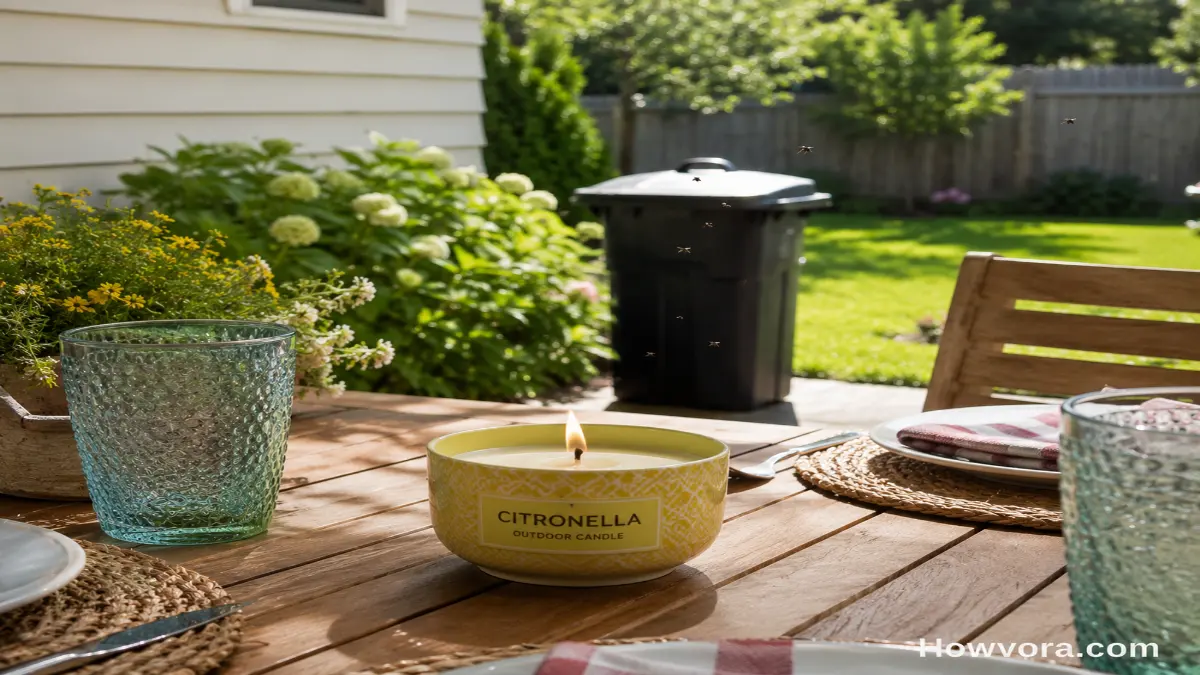
Flies swarming your patio, deck, or backyard aren’t just annoying; they’re often a sign that something nearby is feeding or breeding them: trash, pet waste, standing water, or overripe fruit. Getting rid of them outside means doing two things at once: eliminating what’s attracting them and actively reducing the adult population until the source is gone.
This guide is for homeowners dealing with a moderate-to-heavy fly problem in a yard, patio, porch, or outdoor eating area, not a full-blown infestation requiring pest control licensing, and not a single stray fly that wandered in. By the end, you’ll have a clear plan that combines source removal, trapping, and prevention, plus a realistic timeline for results.
Featured Snippet
To get rid of flies outside, remove their food and breeding sources first (trash, pet waste, standing water, rotting produce), then combine traps, natural repellents, and targeted insecticide use. Most yards see a noticeable drop in 3–7 days and are fly-free within two weeks with consistent upkeep.
Before You Begin
Difficulty: Easy to Moderate Time investment: 1–2 hours initial setup, then 10–15 minutes of maintenance every few days Cost: $15–$60 for DIY supplies (traps, repellents, cleaning tools); $100–$300 if you hire a pest control service for a severe infestation DIY vs. Professional: DIY works for most residential fly problems. Call a professional if flies persist after two weeks of consistent effort, or if you suspect a hidden breeding source like a dead animal or a septic issue.
Prerequisites:
- Identify the fly type if possible (house flies, fruit flies, cluster flies, and blow flies each respond slightly differently to treatment)
- Walk your property to spot obvious attractants before buying anything
- Check local regulations if you plan to use insecticide sprays near a vegetable garden or water feature
Choosing the Right Approach
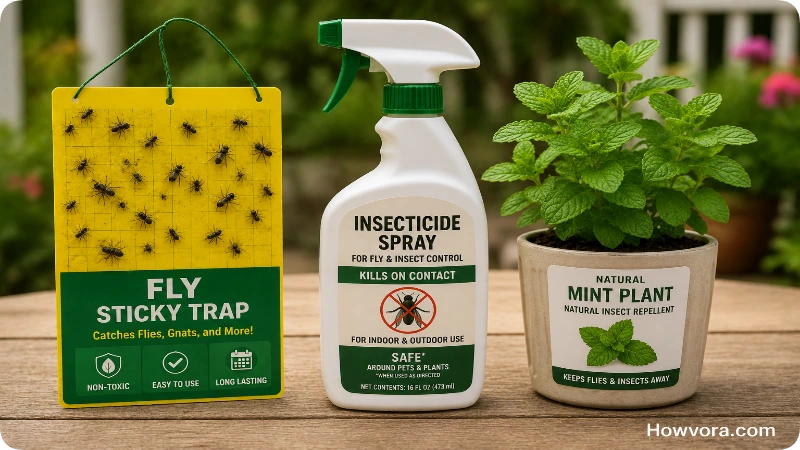
There’s no single method that works for every yard, because flies are drawn to different things depending on the season and your property. Here’s how the main approaches compare so you can pick the right combination instead of guessing.
| Method | Best For | Speed | Ongoing Effort | Chemical-Free? |
| Source removal (sanitation) | Any fly problem, especially trash/pet waste-driven | Slow but permanent | Low once established | Yes |
| Traps (sticky, UV, bait) | Reducing adult flies quickly | Fast (1–3 days) | Medium (replace/empty regularly) | Yes |
| Natural repellents (herbs, essential oils) | Light problems, outdoor dining areas | Slow, short-lasting | High (frequent reapplication) | Yes |
| Insecticide sprays/foggers | Heavy infestations, large yards | Fast (same day) | Medium, repeat every 1–2 weeks | No |
| Biological controls (predatory wasps, larvicides) | Farms, livestock areas, compost bins | Slow (weeks) | Low once established | Yes |
| Professional pest control | Severe or recurring infestations | Fast | Low (scheduled visits) | Varies |
Most yards do best with a layered approach: sanitation to remove the cause, traps for immediate relief, and a repellent or targeted spray for the areas people actually use.
At a Glance
| Category | Details |
| Difficulty | Easy to Moderate |
| Time to see results | 3–7 days |
| Time to full control | 1–2 weeks |
| Cost | $15–$60 DIY; $100–$300 professional |
| Skill level | Beginner |
| Best for | Patios, decks, backyards, outdoor eating areas, homes with pets or compost |
Things You’ll Need
| Item | Purpose |
| Sealed trash bins with tight lids | Removes the #1 attractant for house flies |
| Fly traps (sticky, UV, or bait-style) | Physically captures adult flies |
| Outdoor fly spray or insecticide (pyrethrin-based) | Kills adult flies on contact in high-traffic zones |
| Essential oils (citronella, eucalyptus, mint, lavender) | Natural repellent for dining/seating areas |
| Garden hose or pressure washer | Cleans up spills, pet waste residue, and grease |
| Compost bin with a secure lid | Prevents flies from breeding in exposed food waste |
| Rubber gloves | Protects hands during cleanup of waste or dead animals |
| Fine-mesh screens (for porches/gazebos) | Physically blocks flies from entering shaded seating areas |
Safety Precautions
If you use chemical insecticides outdoors, keep pets and children away from treated areas until the spray dries completely (usually 30–60 minutes). Avoid spraying near vegetable gardens, ponds, or bee-friendly flowers, since many fly insecticides are also toxic to pollinators and fish. Always read the product label for reentry times and application distance from edible plants. When handling pet waste, dead animals, or spoiled food as part of source removal, wear gloves and wash your hands thoroughly afterward, since these can carry bacteria beyond just attracting flies.
Step-by-Step Guide
Step 1: Identify and Remove Breeding Sources
Walk your entire yard, not just the patio, and look for: uncovered trash, pet waste, fallen fruit, stagnant water in gutters or plant saucers, grass clippings, and exposed compost. Bag or dispose of anything rotting, and empty standing water.
Why it matters: Flies can complete their life cycle from egg to adult in as little as 7–10 days. If you only kill visible adults without removing the source, new flies will keep emerging.
Step 2: Seal and Secure Trash and Compost
Switch to bins with tight-fitting lids for both trash and compost. Rinse recycling before it goes outside, since food residue attracts flies just as strongly as trash does.
Step 3: Set Up Traps in Strategic Locations
Place sticky traps or bait traps near but not directly on the areas where flies congregate, such as near trash bins, along fence lines, or by the compost pile. Keep traps at least 10–15 feet from seating and dining areas so the bait doesn’t pull more flies toward people.
Common mistake: Placing traps right next to where you sit outside. This actually draws more flies into your space before they’re caught.
Step 4: Apply Repellents to Seating and Dining Areas
Use citronella candles, essential oil diffusers, or planted herbs (basil, mint, lavender) around patios and outdoor tables. These won’t eliminate a fly population, but they reduce flies landing where people are.
Step 5: Treat Heavy-Traffic Zones with Insecticide (If Needed)
For persistent problems, apply a pyrethrin-based outdoor insecticide to fly-resting spots- the undersides of eaves, fence tops, and shaded walls where flies land between feedings. Spray in early morning or evening when flies are least active and pollinators are less present.
Step 6: Maintain Cleanliness on a Schedule
Take out the trash and clean up pet waste daily during warm months. Hose down areas with grease or food residue weekly. This step is what prevents the problem from returning.
How to Know You Did It Correctly
You’ll know your approach is working when you see a steady decline in adult flies over several days rather than an immediate total disappearance. Check your traps every 2–3 days. A high catch rate at first that tapers off is a good sign that the population is shrinking. If trap counts stay flat or increase after a week, there’s likely a breeding source you haven’t found yet.
Expected Timeline and Results
- Days 1–2: Noticeable increase in trapped/dead flies as the population responds to bait and sprays
- Days 3–7: Visible reduction in flies landing on people, food, or surfaces
- Week 2: Most yards reach a manageable, low-fly baseline
- Ongoing: Occasional flies may still appear, especially near neighbors’ properties or during peak summer heat. Routine maintenance keeps numbers low
Alternative Methods
Biological control: Parasitic wasps (sold as fly predators) target fly larvae in manure or compost before they become adults. This works well for properties with livestock, chickens, or large compost operations, but takes several weeks to show results.
DIY vinegar traps: A container with apple cider vinegar, a drop of dish soap, and plastic wrap with small holes poked in it can catch fruit flies and some house flies. It’s cheap and effective for light problems but needs frequent refreshing.
Zapper/UV traps: Effective at night for flying insects drawn to light, though less effective on flies specifically compared to moths or mosquitoes.
Common Mistakes to Avoid
- Treating only the patio while ignoring trash, compost, or pet waste elsewhere on the property
- Using indoor fly spray outdoors, where it breaks down faster and covers less area
- Placing traps too close to where people sit
- Skipping reapplication, most repellents and sprays lose effectiveness within days, not weeks.
- Assuming one treatment will solve a problem caused by an ongoing source, like a neighbor’s uncovered trash
Troubleshooting & Common Problems
| Problem | Cause | Solution |
| Flies keep returning after treatment | Breeding source not fully removed | Recheck compost, gutters, pet areas, and any standing water |
| Traps fill up fast,t but flies don’t decrease | Population is being replenished from a nearby source | Expand your inspection radius, including neighboring yards |
| Repellents seem to have no effect | Applied too sparingly or infrequently | Reapply every 2–3 days, especially after rain |
| Flies concentrated in one specific spot | Localized attractant (dead animal, hidden waste) | Search that area directly; check under decks, sheds, and dense shrubs |
| Increase in flies after rain | Moisture creates new breeding pockets | Check for pooling water in containers, tarps, or low spots in the yard |
Expert Tips
- Fly activity peaks in the two to three hours after sunrise and before sunset. Time your insecticide applications outside these windows to protect pollinators while still targeting flies.
- Cluster flies, common in fall, seek warm walls to overwinter; sealing exterior cracks and gaps reduces them more effectively than sprays.
- Rotate trap types (sticky, UV, bait) every few weeks, since fly populations can show reduced response to the same lure over time.
- If you have a compost pile, turning it regularly disrupts fly larvae development and speeds up decomposition, which reduces the smell that attracts flies in the first place.
When to Call a Professional
Contact a licensed pest control service if flies persist after two weeks of consistent sanitation and treatment, if you notice a strong odor suggesting a dead animal in a wall or crawlspace, or if the infestation involves large numbers of a specific species like cluster flies entering your home in fall. A professional can also help if the source is on a neighboring property you can’t access directly.
What to Do Next
Once your fly population is under control, shift from active treatment to maintenance: keep trash sealed, clean up pet waste daily, and do a monthly walk-through of your yard for new standing water or rotting debris. If you garden or compost, consider setting up a dedicated bin with a lid to prevent this from becoming a recurring issue each season.
FAQs
What smell keeps flies away outside?
Flies dislike strong scents like citronella, eucalyptus, mint, lavender, and clove. Planting these near seating areas or using them in diffusers helps repel flies, though the effect is temporary and works best alongside source removal.
Why do I have so many flies in my backyard suddenly?
A sudden increase usually points to a new or overlooked attractant: recently exposed trash, pet waste, fallen fruit, or standing water after rain. Warm, humid weather also speeds up the fly life cycle.
Do bug zappers work on flies outside?
Bug zappers are more effective on moths and other night-flying insects than on flies, which are more active during the day and respond better to bait traps or sticky traps.
How do I keep flies away from my patio table while eating?
Use a citronella candle or diffuser directly on the table, keep food covered when not being eaten, and clear plates promptly. Combining this with a trap placed away from the table reduces the number of flies drawn to the area.
Are outdoor fly sprays safe for pets?
Most pyrethrin-based sprays are safe for pets once fully dry, typically 30–60 minutes after application, but keep pets away during and immediately after spraying, and check the product label for specific guidance.
How long does it take to get rid of flies outside completely?
Most yards see a significant reduction within 3–7 days and reach a low, manageable level within two weeks, provided the breeding source has been removed and treatment is kept up consistently.
Final Thoughts
Getting rid of flies outside comes down to breaking their life cycle: remove what feeds and breeds them, trap or kill the adults, and keep up a light maintenance routine so the problem doesn’t return. Skipping the sanitation step is the most common reason treatments fail. Traps and sprays only manage symptoms if the underlying attractant is still there. With the layered approach in this guide, most yards go from fly-heavy to comfortable within one to two weeks.