
Termites are among the most destructive household pests. They silently feed on wood, flooring, drywall, and other cellulose-based materials, often causing extensive damage before homeowners realize they are present.
If you’re dealing with termites, the goal is not simply to kill a few insects you can see. The real challenge is eliminating the entire colony and preventing future infestations. This guide explains how to get rid of termites permanently using proven methods, when DIY treatments work, when professional treatment is necessary, and how to keep termites from coming back.
By the end of this guide, you’ll know how to identify termite activity, choose the best treatment method, verify success, and protect your home long-term.
Featured Snippet Answer
To get rid of termites permanently, identify the termite species, eliminate the colony using liquid termiticides, bait stations, or professional treatments, remove moisture and wood-to-soil contact around your home, and perform ongoing inspections. Permanent control requires both colony elimination and prevention measures to stop reinfestation.
Before You Begin
| Factor | Details |
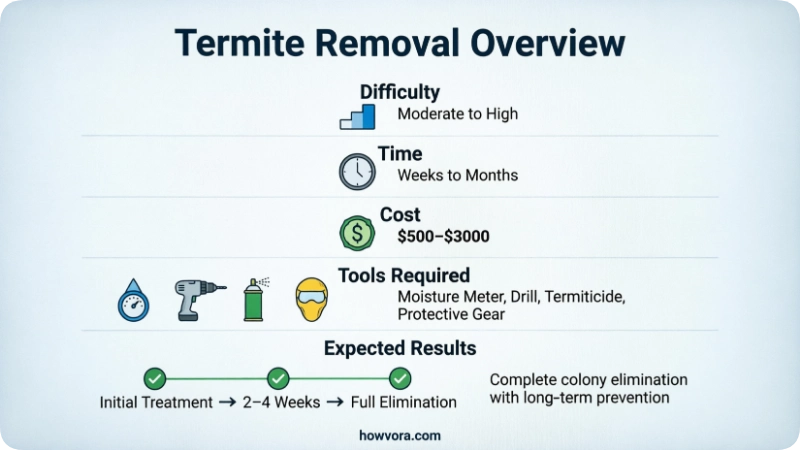
| Difficulty | Moderate to Difficult |
| Time Required | Several days to several months |
| Estimated Cost | Low to High, depending on the method |
| DIY Friendly | Small or localized infestations |
| Professional Recommended | Large, hidden, or structural infestations |
DIY vs. Professional Treatment
| Method | Pros | Cons | Best For |
| DIY Liquid Treatment | Lower cost | May miss hidden colonies | Small infestations |
| DIY Bait Stations | Targets colony | Slow results | Preventive control |
| Professional Treatment | Most effective | Higher cost | Active infestations |
| Integrated Approach | Long-term protection | Requires monitoring | Permanent control |
For most homeowners seeking permanent results, a combination of colony elimination and prevention is the most effective approach.
At a Glance
| Category | Details |
| Primary Goal | Eliminate the entire colony |
| Fastest Method | Professional liquid barrier treatment |
| Long-Term Method | Baiting system with monitoring |
| Prevention Importance | Essential |
| Follow-Up Inspections | Every 6–12 months |
Things You’ll Need
| Item | Purpose |
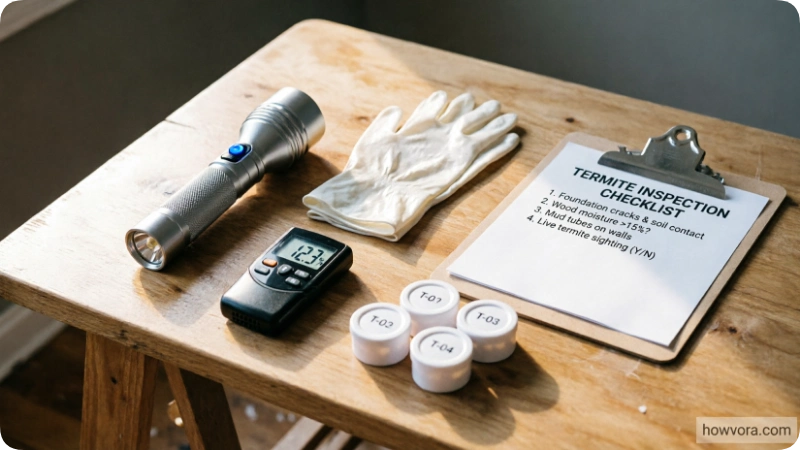
| Flashlight | Inspect termite activity |
| Screwdriver | Check damaged wood |
| Protective gloves | Safety during treatment |
| Liquid termiticide | Soil and structural treatment |
| Bait stations | Colony elimination |
| Moisture meter (optional) | Locate damp areas |
| Caulk or sealant | Close entry points |
Safety Precautions
- Always follow pesticide label instructions.
- Wear gloves and eye protection during treatment.
- Keep children and pets away from treatment areas.
- Avoid contaminating wells, ponds, or water sources.
- Never mix pest-control chemicals unless specifically instructed by the manufacturer.
Choosing the Right Approach
Subterranean Termites
These termites live underground and enter structures through mud tubes. They usually require soil treatment, bait systems, or both.
Drywood Termites
These termites live directly inside wood. Localized treatments may work for small infestations, while severe infestations may require whole-structure treatment.
Dampwood Termites
These termites are attracted to moisture-damaged wood. Correcting moisture issues is critical for long-term control.
Step-by-Step Guide
Step 1: Confirm That Termites Are Present
What to Do
Look for:
- Mud tubes on foundations
- Hollow-sounding wood
- Discarded wings
- Frass (termite droppings)
- Bubbling paint
- Sagging floors
Why It Matters
Treatment effectiveness depends on identifying termites correctly.
What Success Looks Like
You locate active termite signs and affected areas.
Common Beginner Mistakes
- Confusing termites with ants
- Treating without confirming infestation
- Ignoring hidden damage
Step 2: Determine the Extent of the Infestation
What to Do
Inspect:
- Crawl spaces
- Basements
- Attics
- Window frames
- Wooden decks
- Structural beams
Why It Matters
Visible termites often represent only a small portion of the colony.
What Success Looks Like
You understand whether the infestation is localized or widespread.
Common Beginner Mistakes
- Inspecting only visible areas
- Ignoring exterior foundations
- Missing moisture-prone zones
Step 3: Eliminate the Colony
What to Do
Choose one or more treatment methods:
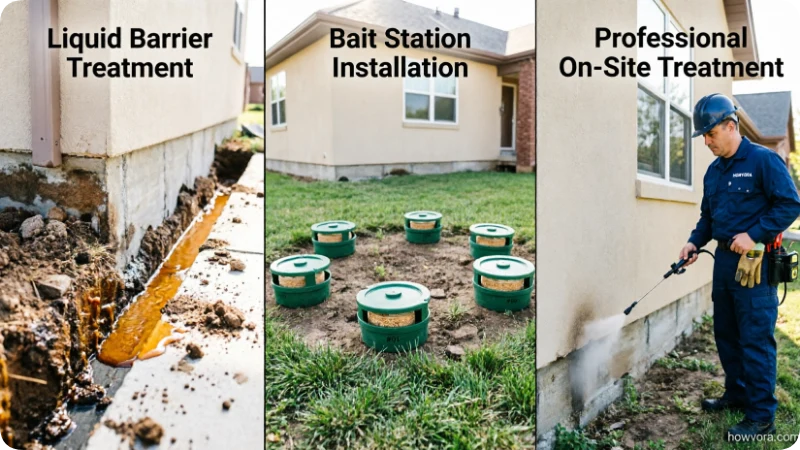
Liquid Termiticide Barrier
- Apply around the structure according to label instructions.
- Creates a protective zone that termites cannot cross.
Bait Stations
- Install around the property perimeter.
- Workers carry bait back to the colony.
Professional Treatment
- Recommended for large infestations.
- May include trenching, drilling, or advanced bait systems.
Why It Matters
Killing visible termites alone does not eliminate the colony.
What Success Looks Like
Termite activity gradually declines and eventually stops.
Common Beginner Mistakes
- Treating only damaged wood
- Stopping treatment too early
- Using incomplete barrier coverage
Step 4: Remove Conditions That Attract Termites
What to Do
- Fix leaks immediately.
- Improve drainage.
- Remove wood debris.
- Store firewood away from the house.
- Maintain ventilation in crawl spaces.
Why It Matters
Moisture and wood sources attract future colonies.
What Success Looks Like
The property becomes less attractive to termites.
Common Beginner Mistakes
- Leaving wood scraps near foundations
- Ignoring gutter problems
- Stacking lumber against walls
Step 5: Seal Entry Points
What to Do
- Seal foundation cracks.
- Repair damaged siding.
- Close utility penetrations.
- Replace rotted wood.
Why It Matters
Reducing access points helps prevent reinfestation.
What Success Looks Like
Fewer opportunities for termites to enter the structure.
Common Beginner Mistakes
- Sealing visible cracks only
- Ignoring roof and utility gaps
Step 6: Monitor Regularly
What to Do
- Check bait stations.
- Inspect foundations.
- Watch for new mud tubes.
- Schedule annual inspections.
Why It Matters
Early detection prevents major future infestations.
What Success Looks Like
No new termite activity appears.
Common Beginner Mistakes
- Assuming treatment lasts forever
- Skipping inspections
How to Know You Did It Correctly
Signs of successful termite control include:
- No new mud tubes
- No fresh winged termites
- No new wood damage
- Inactive bait stations
- Stable moisture levels
- Successful follow-up inspections
Expected Timeline and Results
| Timeframe | Expected Results |
| 1–2 Weeks | Reduced termite activity |
| 1–3 Months | Colony decline begins |
| 3–6 Months | Most colonies eliminated |
| 6–12 Months | Long-term monitoring period |
Bait systems generally take longer than liquid barrier treatments.
Alternative Methods
| Method | Advantages | Disadvantages | Best Use Case |
| Orange Oil Treatment | Localized treatment | Limited coverage | Small drywood infestations |
| Borate Wood Treatment | Long-term wood protection | Preventive more than curative | New construction |
| Heat Treatment | Chemical-free | Higher cost | Drywood termites |
| Bait Systems | Colony elimination | Slower results | Long-term control |
Common Mistakes to Avoid
- Ignoring early warning signs
- Treating only visible termites
- Skipping follow-up inspections
- Allowing moisture problems to continue
- Storing wood near foundations
- Using incomplete treatments
- Waiting too long to act
Why Many Attempts Fail
Many termite treatments fail because homeowners focus on symptoms instead of the colony.
The most common reasons include:
- Misidentifying the termite species.
- Incomplete chemical barriers.
- Failure to remove moisture sources.
- Stopping treatment too early.
- Not monitoring after treatment.
- Hidden colonies remaining active.
Troubleshooting & Common Problems
| Problem | Possible Cause | Solution |
| Termites return | Colony not eliminated | Reassess treatment strategy |
| New mud tubes appear | Barrier breach | Retreat affected area |
| Continued wood damage | Hidden infestation | Professional inspection |
| Bait ignored | Improper placement | Relocate stations |
| Persistent moisture | Drainage issue | Improve water management |
Expert Tips
- Combine colony elimination with prevention measures.
- Install bait stations before visible termite activity occurs.
- Keep mulch several inches away from foundations.
- Maintain at least a small gap between soil and wooden siding.
- Inspect annually even after successful treatment.
- Focus on moisture control as much as chemical control.
When to Call a Professional
Hire a termite professional if:
- Structural damage is visible.
- Multiple areas show activity.
- The infestation has spread through the walls.
- DIY treatments fail.
- You cannot identify the termite species.
- The home has a history of termite problems.
Professional treatment is often the most reliable option for the permanent elimination of established colonies.
What to Do Next
After eliminating termites:
- Continue annual inspections.
- Monitor moisture levels.
- Keep gutters clean.
- Maintain proper drainage.
- Replace damaged wood promptly.
- Check bait stations regularly.
- Keep landscaping away from structural wood.
FAQs
Can termites be eliminated permanently?
Yes. Permanent control is possible when the entire colony is eliminated and preventive measures are maintained to prevent reinfestation.
What kills termites instantly?
Direct-contact products may kill termites quickly, but permanent control requires eliminating the colony rather than individual insects.
Is DIY termite treatment effective?
DIY treatment can work for small infestations, but larger or hidden colonies often require professional treatment.
How long does termite treatment last?
Many treatments provide protection for several years, though periodic inspections and maintenance are still necessary.
Do termites come back after treatment?
They can if moisture problems, wood contact, or untreated colonies remain. Proper prevention greatly reduces this risk.
What attracts termites to a house?
Moisture, wood-to-soil contact, leaking pipes, poor drainage, and untreated wood are common attractants.
Are bait stations better than liquid treatments?
Neither is universally better. Liquid treatments act faster, while bait stations target colonies over time. Many professionals use both.
Can termites damage a house before being detected?
Yes. Termites often remain hidden for months or years while causing structural damage.
Final Thoughts
Getting rid of termites permanently requires more than simply killing visible insects. The key is identifying the termite type, eliminating the colony, removing conditions that attract termites, and maintaining long-term prevention measures. Whether you choose DIY treatment or professional help, consistent monitoring and moisture control are essential for keeping your home termite-free for years to come.
