A stye is a small, painful bump that forms on or near the eyelid when an oil gland or eyelash follicle gets blocked and infected. It shows up fast, usually as a red, swollen lump that’s tender to the touch, and it can make blinking uncomfortable. While no home method guarantees a stye disappears completely by morning, there’s a well-established set of steps that speed up drainage, cut swelling, and reduce pain within hours, often making a big visible difference overnight and clearing the stye fully within a few days.
This guide is for anyone dealing with a new or early-stage stye who wants to treat it safely at home, understand what actually helps versus what’s a myth, and know when the situation needs a doctor instead of a warm washcloth. The outcome you’re working toward: less swelling and pain by the next morning, and a stye that drains and heals on its own within 3–7 days without spreading or scarring.
Featured Snippet
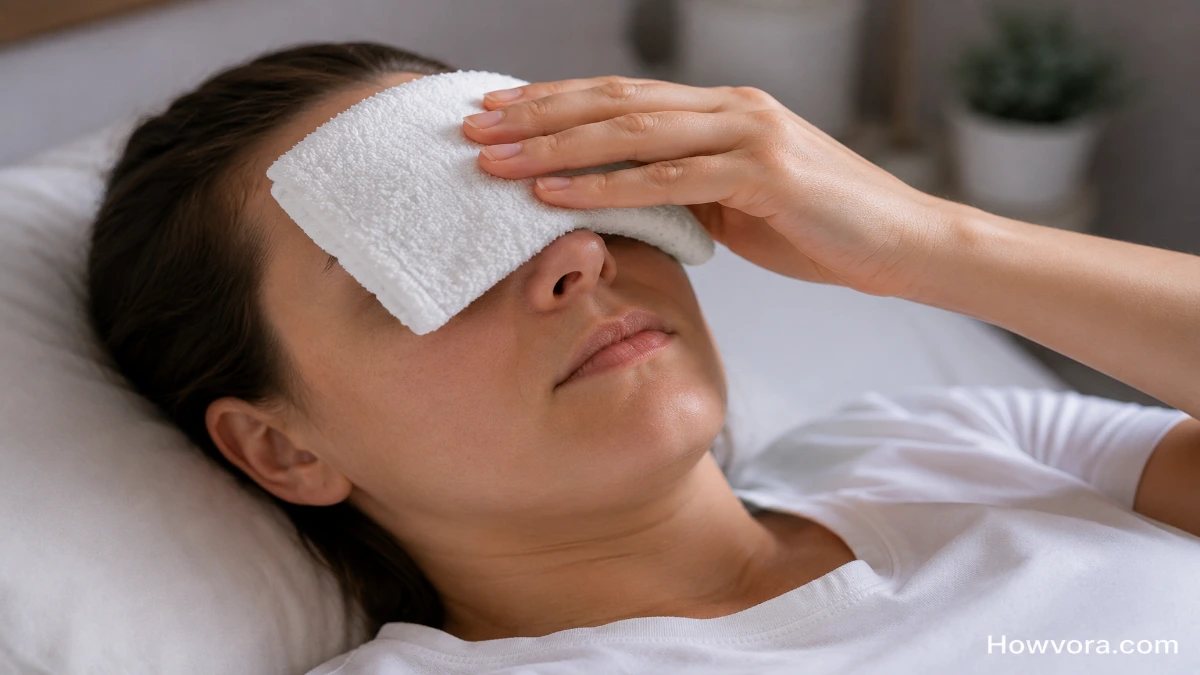
Apply a clean, warm compress to the closed eyelid for 10–15 minutes, 3–4 times, holding it in place until the stye softens. Warmth loosens the blocked gland so it can drain naturally. Never squeeze or pop it. Keep the area clean, avoid makeup and contact lenses, and repeat before bed for the fastest overnight relief.
Before You Begin
Difficulty: Easy Time: 10–15 minutes per session, repeated 3–5 times over the evening Cost: $0–$10 (a clean cloth and, optionally, an over-the-counter stye compress or eyelid wipes) DIY vs. Professional: DIY is appropriate for a typical, uncomplicated stye. See a doctor if vision is affected, the whole eyelid swells, or symptoms worsen after 48 hours. Prerequisites: A clean washcloth, warm (not hot) water, and clean hands. Remove contact lenses and eye makeup before starting.
At a Glance
| Category | Details |
| Difficulty | Easy |
| Time per session | 10–15 minutes, repeated 3–5x |
| Total time to visible relief | Overnight to 48 hours |
| Time to full resolution | 3–7 days typically |
| Cost | $0–$10 |
| Skill level | Beginner |
| Best for | Early-stage, uncomplicated external styes |
Things You’ll Need
| Item | Purpose |
| Clean washcloth or cotton pad | Applying warm compresses without introducing bacteria |
| Warm water | Softens the blocked gland so it can drain |
| Mild soap or baby shampoo | Gently cleaning the eyelid margin |
| Cotton swabs | Precise, low-contamination cleaning around the lash line |
| Over-the-counter styptic compress (optional) | Reusable, consistent heat without a wet cloth |
| Artificial tears (optional) | Soothing irritation if the eye feels dry or gritty |
Safety Precautions
A stye sits close to the eye, so a few rules matter more here than with most minor skin issues:
- Never squeeze, pop, or lance a stye yourself. Forcing it open can push the infection deeper into the eyelid or spread it to nearby glands, leading to a larger, harder-to-treat problem called a chalazion or, rarely, a more serious eyelid infection.
- Wash your hands before and after touching the area. Styes are caused by bacteria (commonly staph), and dirty hands are the most common way they spread or worsen.
- Skip eye makeup and contact lenses until it’s fully healed. Both trap bacteria against the eyelid and can reintroduce infection even after the stye drains.
- Don’t share towels, pillowcases, or washcloths while you have an active stye; wash them separately in hot water.
- Stop and seek care if the whole eyelid or the area around the eye becomes red, swollen, or hot, since this can signal a spreading infection (cellulitis) that needs antibiotics.
Step-by-Step Guide
1. Wash your hands and clean the eyelid. Use lukewarm water and a small amount of mild soap or diluted baby shampoo on a cotton swab to gently clean along the lash line where the stye has formed. This removes crust, oil, and debris that can feed the infection. Why it matters: A clean lid lets warmth reach the blocked gland directly instead of working through a layer of oil and debris.
2. Prepare a warm compress. Soak a clean washcloth in warm water, comfortably warm, not hot enough to redden skin. Wring out the excess so it doesn’t drip.
3. Apply the compress to the closed eyelid for 10–15 minutes. Hold it gently in place; re-warm the cloth every few minutes as it cools. Keep your eye closed the entire time. Common mistake: Pressing too hard. Gentle, sustained warmth works; pressure doesn’t speed anything up and can actually hurt more.
4. Repeat 3–4 times over the course of the evening. Spacing sessions roughly an hour apart throughout the evening does more than one long session. Repeated warming cycles are what encourage the stye to come to a head and drain on its own.
5. Gently massage only after the stye has softened (optional). Once you feel the bump has softened after a few compressions, you can use a clean fingertip to very lightly stroke toward the lash line; never squeeze inward. If it doesn’t feel soft yet, skip this step and just keep compressing.
6. Clean the area again after any drainage. If the stye drains on its own, gently wipe away discharge with a fresh, clean cotton pad and warm water. Wash your hands immediately after.
7. Apply a final compress before bed. One more 10–15-minute session right before sleep keeps the area warm and relaxed overnight, which is when you’ll see the most visible improvement by morning.
8. Sleep on the unaffected side if possible. This keeps pressure and rubbing off the eyelid overnight, reducing irritation and giving the area a better chance to drain undisturbed.
How to Know You Did It Correctly
You’re on the right track if, after a night of compresses, you notice: less redness and puffiness around the bump, reduced tenderness when you blink, and either a softer bump or visible small drainage at the base of an eyelash. The eye should feel less “swollen shut” than the night before. Pain that’s roughly the same or improving, not worsening, is the key sign that this is healing normally.
Expected Timeline and Results
- Within a few hours, swelling and pain typically ease noticeably after 2–3 compression sessions.
- Overnight: Many styes visibly shrink and soften by morning, though a fully “gone” stye overnight is uncommon; most people see meaningful improvement, not total disappearance.
- 2–4 days: The stye usually comes to a head and drains naturally.
- 5–7 days: Most uncomplicated styes fully resolve without further treatment.
- Beyond 1 week with no change: This is no longer a “wait it out” situation; see a doctor.
Alternative Methods
| Method | How It Works | Best For | Watch Out For |
| Warm compress (primary method) | Loosens the blocked gland to drain naturally | Most early-stage styes | Needs repetition; not instant |
| OTC stye/eyelid warming mask | Reusable gel or bead compress heated in microwave or hot water | People who want consistent, mess-free heat | Follow package heating instructions exactly to avoid burns |
| OTC antibiotic eye ointment | Reduces surface bacteria around the lash line | Styes with visible crusting or repeat occurrences | Not a substitute for compresses; won’t drain an existing stye alone |
| Tea bag compress | Some people use a warm, damp black tea bag instead of a washcloth | Those without a spare washcloth handy | Tannins can mildly irritate sensitive eyes; plain warm water works just as well |
| Prescription treatment | Oral or topical antibiotics, or in-office drainage | Styes that don’t improve in a week, or are unusually large/painful | Requires a doctor’s evaluation don’t self-prescribe |
Common Mistakes to Avoid
- Squeezing or popping the stye. This is the single most common mistake and the one most likely to make things worse.
- Using a compress that’s too hot. Hot enough to redden the skin risks burning delicate eyelid tissue.
- Stopping after one compress. A single session rarely does much; consistency across the evening is what drives results.
- Wearing makeup or contacts while healing. Both re-expose the area to bacteria and can extend healing time.
- Ignoring hand hygiene. Touching the stye with unwashed hands is a direct route for reinfection.
- Waiting too long to see a doctor. A stye that worsens, spreads, or affects vision needs medical attention, not more home care.
Troubleshooting & Common Problems
| Problem | Cause | Solution |
| Stye isn’t softening after several compresses | Not enough repetition, or the compression isn’t warm enough | Increase to 4–5 sessions over the evening; check the cloth is still warm throughout each session |
| Swelling is spreading beyond the original bump | Possible spreading of infection | Stop home treatment and see a doctor promptly |
| Stye keeps coming back in the same spot | Chronic gland blockage or eyelid hygiene issue | Use daily eyelid hygiene (warm compress + gentle cleaning) as prevention, and ask a doctor about recurrent styes |
| Pain is getting worse, not better | Infection may be deepening | See a doctor rather than continuing home treatment alone |
| Vision feels blurry or affected | Swelling pressing on the eye, or a more serious issue | Seek medical care the same day |
| Stye drained, but a hard lump remains | Leftover material formed a chalazion | Continue warm compresses; if it persists past 2–3 weeks, see a doctor |
Expert Tips
- Warm the compress in a bowl of warm water rather than the microwave; it’s easier to control the temperature and avoid accidental burns near the eye.
- If you get styes often, replace your eye makeup (especially mascara) every 2–3 months and never share it, since bacteria can build up inside the product.
- Cleaning your eyelids daily with a diluted baby shampoo, even when you don’t have a stye, is one of the most effective ways to prevent future ones.
- If one eye is affected, avoid touching the other eye after touching the stye. Cross-contamination between eyes is common and easy to prevent with basic hand hygiene.
When to Call a Professional
See a doctor or eye specialist if:
- The stye hasn’t improved after 48 hours of consistent home treatment, or hasn’t resolved within a week.
- Swelling spreads beyond the eyelid to the surrounding face.
- You experience vision changes, significant pain, or a fever.
- The stye is unusually large, or you develop styes frequently.
- A hard, painless lump remains after the stye drains (this may be a chalazion needing separate treatment).
What to Do Next
Once the stye has fully healed, focus on prevention: build a habit of gentle daily eyelid cleaning, replace old eye makeup, and avoid touching your eyes with unwashed hands. If styes become a recurring issue, an eye doctor can check for underlying causes like blepharitis, which often needs a longer-term hygiene routine to manage.
FAQs
Can a stye actually disappear overnight? Rarely completely, but consistent warm compresses through the evening and before bed typically produce visible improvement, less swelling and pain by morning, with full resolution over the following days.
Is it okay to pop a stye myself? No. Popping a stye can push the infection deeper or spread it, leading to a larger problem. Let it drain on its own with warm compress treatment.
What’s the difference between a stye and a chalazion? A stye is a painful, acute infection near the eyelid margin, usually at the base of an eyelash. A chalazion is typically painless, forms deeper in the eyelid, and often develops after a stye’s inflammation subsides, but the blockage remains.
Can I wear makeup while a stye heals? It’s best to avoid eye makeup entirely until the stye fully clears, since makeup and applicators can reintroduce bacteria to the area.
Should I remove my contact lenses? Yes. Switch to glasses until the stye is completely healed to avoid irritating the area or spreading bacteria to your lenses.
Do antibiotic ointments get rid of a stye faster? They can help reduce surface bacteria, especially with recurring styes, but they aren’t a replacement for warm compresses, which are what actually help the stye drain.
Why do I keep getting styes? Frequent styes are often linked to eyelid gland issues like blepharitis, old or contaminated makeup, or inconsistent eyelid hygiene. A doctor can help identify the specific cause.
Is it safe to use a tea bag instead of a washcloth? Yes, as long as it’s clean and comfortably warm, though plain warm water works equally well and won’t risk any mild irritation from tea tannins.
Final Thoughts
A stye is uncomfortable but usually manageable at home with patience and the right technique: consistent warm compresses, careful hygiene, and resisting the urge to squeeze it. Most people see real relief by the next morning and full healing within a week. The main thing to watch for is any sign the infection is spreading; that’s your cue to move from home care to a doctor’s office rather than pushing through with more compresses.