
Introduction

Neutering is one of the most routine surgeries in veterinary medicine, and also one of the most confusing to price. One clinic quotes a figure that sounds like a bargain, another quotes three times as much, and a shelter program down the road advertises a price lower than both. The gap is not random. It reflects where the surgery happens, what is bundled into the quote, and your cat’s age, sex, and health.
This guide breaks down what neutering a cat actually costs, why quotes vary so widely, what should be included in the price, and how to find legitimate low-cost options if the first quote strains your budget. By the end, you will be able to compare two quotes line by line and know exactly what you are paying for.
Featured Snippet Answer
Neutering a male cat typically costs between $50 and $200 at a private veterinary clinic in the US, while low-cost clinics and shelter programs often charge $30 to $100. Spaying a female usually costs more, roughly $100 to $300 privately, because the surgery is more involved. Pre-surgery bloodwork, vaccines, pain medication, and an e-collar may be included or billed separately, so always compare itemized quotes.
Before You Begin
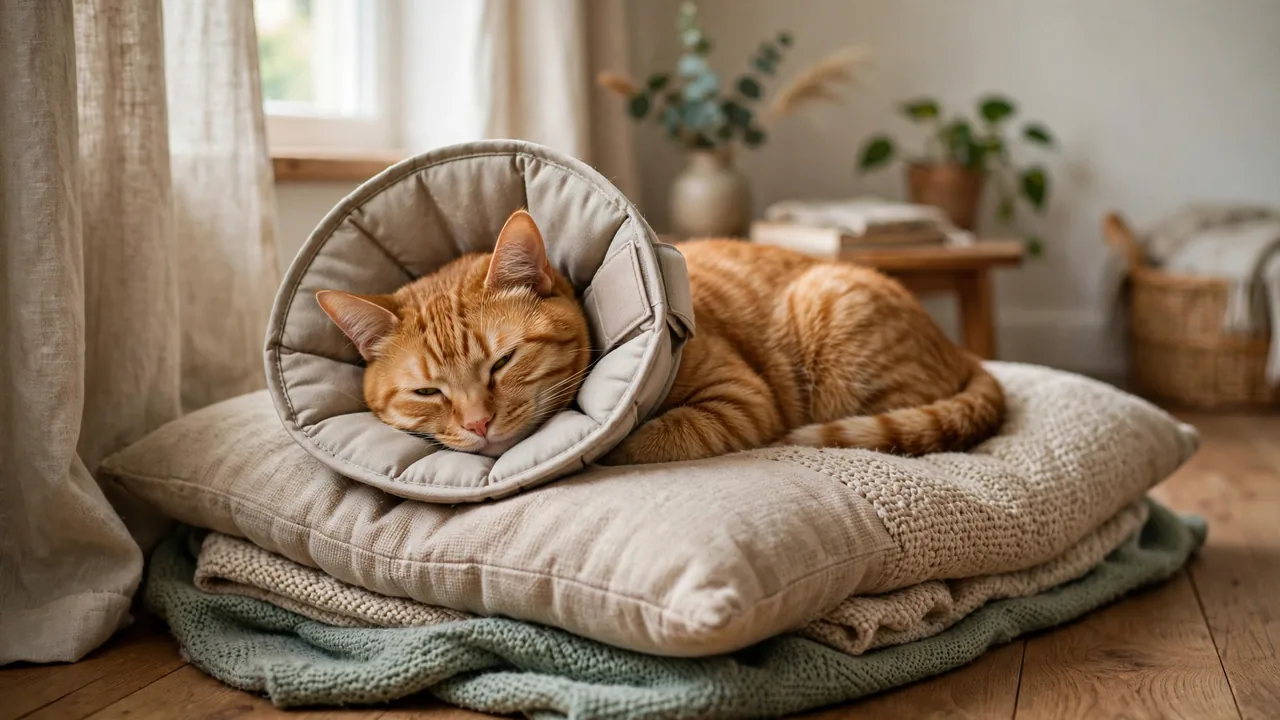
Two terms get mixed up constantly, so let us settle them first. Neutering, in everyday use, usually means castrating a male cat: removing the testicles. The surgery for a female is spaying, removing the ovaries and usually the uterus. People often say “neuter” for both, and this guide uses neutering as the general term while calling out the price difference, because spaying is a longer abdominal surgery and almost always costs more.
Timing matters for scheduling. Kittens are commonly neutered from around eight weeks of age and two pounds of body weight at many shelters, while private vets often prefer four to six months. Either way, booking before a female’s first heat and before a male starts spraying keeps both the surgery and your life simpler. If your cat is older, overweight, or has health issues, expect a pre-surgery exam and possibly bloodwork to be required rather than optional, and budget for it.
Choosing the Right Approach

Where you book the surgery is the biggest decision, and each setting has honest trade-offs.
| Provider | Typical Cost (Male / Female) | What You Get | Trade-Offs |
|---|---|---|---|
| Private veterinary clinic | $50–$200 / $100–$300 | Full exam, individualized anesthesia monitoring, bloodwork options, your cat’s regular vet | Highest price; extras itemized on top |
| Low-cost spay/neuter clinic | $30–$100 / $50–$150 | High-volume specialists focused on sterilization surgery | Longer waits for appointments; fewer extras included |
| Shelter or humane society program | $20–$90 / $40–$120 | Subsidized pricing, sometimes voucher-based through partner vets | Eligibility rules or income limits may apply; schedules fill fast |
| Veterinary school clinic | Varies, often below private rates | Supervised student surgery with full monitoring | Available only near teaching hospitals; appointments take longer |
Lower cost does not automatically mean lower care. High-volume clinics perform these surgeries constantly, and repetition builds speed and skill. What you give up is usually convenience, bundled services, and continuity with your regular vet, not surgical quality.
At a Glance
| Detail | What to Expect |
|---|---|
| Typical total cost | $30–$300 depending on provider, sex, and extras |
| Time | Drop-off in the morning, pickup the same day |
| Recovery | Males: a few days. Females: 10–14 days of restricted activity |
| Skill level | None for you; this is a veterinary procedure |
| Best for | Every pet cat who is not part of a planned breeding program |
Things You’ll Need
| Item | Purpose |
|---|---|
| Vaccination records | Many clinics require proof of rabies vaccination or will add it on the day |
| A secure cat carrier | Required for drop-off and pickup; a frightened post-surgery cat must not be loose in a car |
| An e-collar or recovery suit | Prevents licking and chewing at the incision during healing; sometimes included, sometimes extra |
| A quiet indoor recovery space | A small room away from other pets for the first days |
| The clinic’s pre-surgery instructions | Fasting rules and drop-off times; following them avoids a cancelled surgery |
Step-by-Step Guide
Step 1: Get Itemized Quotes From Two or Three Providers
Call your regular vet and at least one low-cost clinic or shelter program. Ask for the full itemized price, not the headline number. The items to pin down are the surgery itself, anesthesia, the pre-surgery exam, pain medication to go home, and the e-collar. Two quotes that look far apart often narrow once you see what each one includes.
Step 2: Ask What Costs Extra
Common add-ons are pre-anesthetic bloodwork, vaccinations your cat is missing, microchipping, treatment if a female turns out to be pregnant or in heat, and extra charges for an undescended testicle in males, which makes that surgery more involved. None of these are scams; they are real work. The goal is knowing about them before the invoice, not after.
Step 3: Book and Follow the Pre-Surgery Rules
Clinics typically ask you to withhold food from the night before surgery, with water rules varying by clinic. Follow their instructions exactly; a cat who ate breakfast may have the surgery postponed for safety. Confirm the drop-off window and pickup time, and plan to be reachable by phone during the day.
Step 4: Plan the Recovery Before Surgery Day
Set up the quiet room in advance: litter box, water, bedding, and no high furniture to jump on. Have the e-collar or recovery suit ready before pickup. Males often act nearly normal within a day or two, though the incision still needs watching. Females need a genuine 10 to 14 days of restricted activity while the abdominal incision heals.
Step 5: Monitor the Incision and Follow Up
Check the incision daily for swelling, discharge, opening, or a bad smell, and stop any licking with the collar. Some clinics include a recheck visit in the price; others charge for it, which is one more line to confirm in Step 1. If sutures need removal, that visit is usually around 10 to 14 days after surgery.
How to Know You Did It Correctly
You handled the cost side well if your final invoice matches the itemized quote you agreed to, with any extras explained before they were done rather than discovered afterward. You handled the care side well if your cat came home with clear written aftercare instructions, pain control sorted, and a recovery plan you were ready for. Clinically, success is simple: an incision that heals cleanly over two weeks and a cat who is back to normal behavior, minus the spraying, roaming, and heat cycles.
Expected Timeline and Results
The surgery itself is short, often under half an hour for a male, and most cats go home the same day, groggy for the first evening. Appetite and energy typically return within a day or two for males and a few days for females. Behavior changes, like reduced spraying and roaming in males, develop over the following weeks as hormone levels fall. Your total spend lands wherever your provider choice put it: tens of dollars at a subsidized program, a few hundred at a full-service clinic with bloodwork and extras.
Alternative Methods
If even low-cost clinic prices are out of reach right now, look for voucher programs run by shelters and animal welfare groups, which cover part or all of the surgery at partner clinics. Some areas run periodic spay and neuter events with special pricing, and pet-focused charities sometimes help with costs for owners in financial hardship. Ask your regular vet about payment plans as well. What not to consider an alternative: there is no safe home method for neutering, and delaying indefinitely has its own costs in spraying, fighting injuries, and unplanned kittens.
Common Mistakes to Avoid
- Comparing headline prices only. A $90 quote that excludes pain medication, the exam, and the collar can end above a $150 all-in quote.
- Skipping the bloodwork question for older cats. For a young healthy kitten it may be optional; for a senior cat it is how anesthesia stays safe.
- Feeding the cat the morning of surgery. It risks the surgery being postponed or anesthesia complications; follow the fasting rule exactly.
- Removing the e-collar too early because the cat hates it. One night of determined licking can open an incision and turn a $100 surgery into an emergency visit.
- Letting a female cat resume full activity too soon. Abdominal incisions need the full 10 to 14 days of rest, even if she acts recovered.
- Assuming feral or stray cats cost the same route. Trap-neuter-return programs handle community cats separately, often at little or no cost to the caregiver.
Troubleshooting & Common Problems
| Problem | Cause | Solution |
|---|---|---|
| Final bill is much higher than the quote | Extras were added without being flagged up front | Ask for the itemized invoice, compare it with your quote, and raise differences politely but directly |
| Low-cost clinics are booked out for months | High demand for subsidized slots | Join the waitlist, ask about cancellation openings, and check neighboring towns and shelter programs |
| Cat will not keep the e-collar on | Poor fit or a determined cat | Try a soft recovery suit or inflatable collar, and check the fit with the clinic |
| Incision looks red or swollen | Normal mild inflammation in day one or two, or early infection or licking damage | Keep the collar on, prevent licking, and call the clinic the same day if it worsens or discharges |
| Cat seems lethargic the evening after surgery | Anesthesia wearing off | Usually normal for the first evening; call the clinic if it persists into the next day or the cat will not eat after 24 hours |
Expert Tips
- Bundle the microchip with the surgery. If your cat is not chipped, doing it under the same anesthesia is cheaper and kinder than a separate awake procedure later.
- Ask if the quoted price includes take-home pain medication. It is the add-on most likely to matter and the one owners most often discover at checkout.
- Book females before the first heat. Spaying a cat in heat or pregnant is more complex and usually costs more; earlier is simpler on every axis.
- Get the quote in writing by email. Verbal prices drift; written ones do not.
- Ask the low-cost clinic what their surgery volume is. High-volume specialists do this procedure all day, and that experience is a genuine plus, not a compromise.
When to Call a Professional
Neutering is always professional work; there is no DIY version. After surgery, call the clinic promptly if the incision opens, bleeds, swells significantly, or discharges, if your cat strains, vomits repeatedly, refuses food beyond the first day, or seems in real pain despite medication. Those calls are expected and welcomed; clinics would rather hear about a concern on day two than meet it as an emergency on day five.
What to Do Next
Once your cat is healed, update their records with the surgery date and keep the clinic paperwork with your pet documents. If your cat was overdue on vaccines, use the follow-up period to get fully current. And if the cost research was eye-opening, consider pet insurance or a small savings habit for future care; neutering is one of the cheapest surgeries your cat will ever need, and it is a kind introduction to planning for the rest.
FAQs
How much does it cost to neuter a male cat?
At a private clinic, typically $50 to $200. Low-cost clinics and shelter programs commonly charge $30 to $100. Extras like bloodwork, vaccines, and a microchip raise the total.
Why does spaying a female cost more than neutering a male?
Spaying is abdominal surgery: the vet opens the abdomen to remove the ovaries and usually the uterus. It takes longer, needs more anesthesia time, and involves a longer recovery than the male procedure, which is external and quick.
Are low-cost clinics safe?
Generally yes. They specialize in sterilization surgery at high volume, which builds real expertise. What differs is usually the extras and the setting, not the core surgery.
What age should a cat be neutered?
Many shelters neuter kittens from about eight weeks and two pounds. Private vets often recommend four to six months. Your vet can confirm the right timing for your cat’s size and health.
Does neutering change a cat’s personality?
It reduces hormone-driven behaviors like spraying, roaming, and yowling for mates. Your cat’s basic temperament, playfulness, and affection stay the same.
Is bloodwork before surgery necessary?
For young, healthy cats it is often optional. For older cats or any cat with health concerns, it is strongly worthwhile, since it checks organ function before anesthesia.
How long does recovery take?
Males typically feel normal within a few days, though the incision still needs monitoring. Females need 10 to 14 days of restricted activity while the abdominal incision heals.
Final Thoughts
How much it costs to neuter a cat depends less on the surgery than on where you book it and what the quote includes: as little as $20 to $90 through subsidized programs, $50 to $200 for a male at a private clinic, and up to around $300 for a spay with extras. Get itemized quotes, ask about the add-ons before surgery day, and prepare the recovery properly. The procedure is routine, brief, and one of the best-value decisions you will ever make for your cat.