Introduction
A loose tooth in an adult is never normal, and the first wobble you feel with your tongue tends to trigger the same thought: can I fix this myself? The honest answer has two parts. You cannot permanently fix a loose adult tooth at home, because looseness comes from lost bone support, gum disease, injury, or a cracked root, and none of those heal with home remedies. What you can do at home, and it genuinely matters, is stabilize the tooth and protect it for the short window before a dentist treats the cause.
This guide covers what to do in the first hours and days: how to tell how serious the looseness is, the home steps that protect the tooth, the habits that make looseness worse, and the treatments a dentist actually uses to save the tooth. It also covers the one situation where a loose tooth is no emergency at all, a child’s baby tooth, so parents do not panic over a normal milestone.
Featured Snippet Answer
A loose adult tooth cannot be permanently fixed at home, but you can protect it while you wait for a dentist: stop wiggling or pressing it, eat only soft foods on the other side of your mouth, rinse gently with warm salt water, and avoid sticky or hard foods. Then book a dental appointment as soon as possible, since real fixes, such as splinting, deep cleaning, or a bite adjustment, happen in a dental office.
Before You Begin

Start by identifying which situation you are in, because the response differs. An injury, like a blow to the face or biting something hard, makes it urgent: same-day dental care gives the tooth its best chance. Gradual looseness with sore or bleeding gums points to gum disease and still needs prompt care, just not emergency care. Looseness with severe pain, swelling, fever, or a bad taste suggests infection and should be treated as urgent.
One check to avoid: do not test the tooth repeatedly with your fingers or tongue to grade the looseness. Every test is extra movement in an already stressed socket, and it tells you nothing a dentist’s examination and an X-ray will not show more accurately. Look once, note what you see, and leave the tooth alone.
Choosing the Right Approach
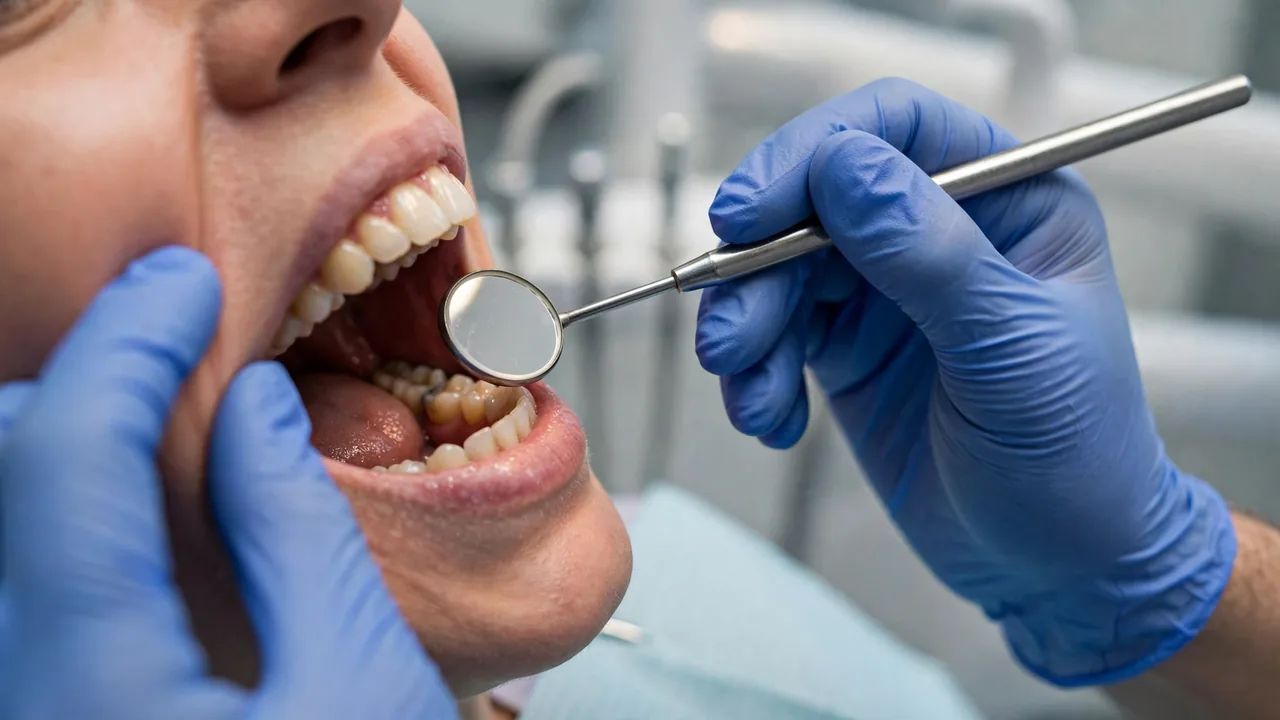
Your approach depends on the cause, which is exactly why a diagnosis matters. This table maps the common causes to the response each one needs.
| Cause | Typical Signs | Home Role | Professional Fix |
|---|---|---|---|
| Injury or impact | Sudden looseness after a blow or hard bite | Protect the tooth and get seen the same day | Splinting to neighboring teeth while the ligament heals |
| Gum disease | Gradual looseness, bleeding gums, bad breath, receding gums | Gentle hygiene and a prompt appointment | Deep cleaning below the gumline; sometimes surgery or splinting |
| Grinding or clenching | Looseness worse in the morning, jaw ache, worn tooth surfaces | Stop adding pressure; avoid hard foods | Bite adjustment and a night guard |
| Infection or abscess | Pain, swelling, fever, pimple-like bump on the gum | Urgent appointment; do not squeeze or drain anything | Root canal treatment or extraction, plus infection control |
| Cracked or damaged root | Pain when biting, looseness in one tooth | Soft diet and prompt care | Depends on the crack; sometimes the tooth cannot be saved |
At a Glance
| Detail | What to Expect |
|---|---|
| Difficulty | Home care is easy; the actual fix is professional |
| Time | Minutes per day of home care until your appointment |
| Cost | Home care is nearly free; dental treatment varies widely by cause |
| Skill level | Beginner for home care |
| Best for | Protecting a loose tooth until a dentist treats the cause |
Things You’ll Need
| Item | Purpose |
|---|---|
| Warm water and table salt | Gentle rinsing that keeps the area clean without irritating it |
| A soft-bristled toothbrush | Cleans around the tooth without adding pressure to it |
| Soft foods for a few days | Eggs, yogurt, soups, and mashed foods rest the tooth while it is vulnerable |
| An over-the-counter pain reliever you normally tolerate | Manages soreness; follow the package directions |
| A cold pack | Helps swelling after an injury when applied to the cheek in short intervals |
| Your dentist’s phone number | The single most useful item on this list |
Safety Precautions
- Never try to splint, glue, or wire a tooth yourself. Household adhesives are toxic in the mouth, and a badly placed splint damages the neighboring teeth.
- Do not pull a loose adult tooth out at home. Uncontrolled extraction risks a broken root, heavy bleeding, and infection.
- After an injury, handle a knocked-out tooth by the crown, never the root. That is a dental emergency measured in minutes, and it is different from a merely loose tooth.
- Do not place aspirin directly on the gum. It burns the tissue and does not help the tooth.
- Watch for infection signs. Swelling, fever, spreading pain, or a bad taste means urgent care, not home care.
Step-by-Step Guide
Step 1: Leave the Tooth Alone
Stop touching, pressing, and wiggling the tooth, with fingers and tongue alike. A loose tooth sits in an inflamed or injured ligament, and repeated movement keeps that ligament irritated and slows any healing. This single habit does more for the tooth than any rinse or remedy.
Step 2: Switch to a Soft Diet on the Other Side
Chew on the opposite side and keep foods soft for the next several days. Avoid hard, crunchy, sticky, and chewy foods entirely on the affected side. Biting pressure is the main force working against a loose tooth, and removing it is the closest thing to a home fix that exists.
Step 3: Rinse Gently With Warm Salt Water
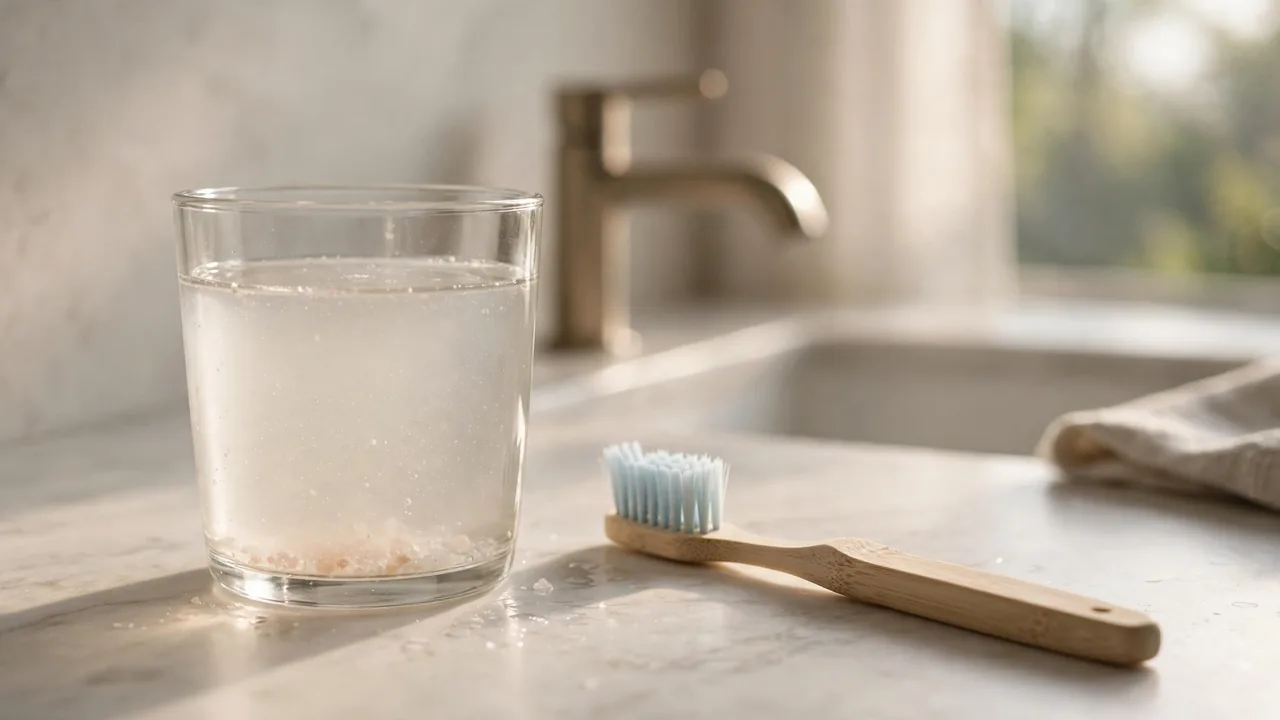
Dissolve about half a teaspoon of salt in a cup of warm water and swish gently for 20 to 30 seconds, once or twice a day. The goal is a clean environment around the tooth, not aggressive cleaning. Skip harsh mouthwashes with high alcohol content while the area is irritated, since they sting and dry the tissue.
Step 4: Keep Brushing, but Gently
Do not stop cleaning the area; plaque buildup makes gum inflammation worse. Use a soft-bristled brush with light pressure around the loose tooth, and floss carefully, sliding floss out to the side rather than snapping it back up past the tooth. Clean and gentle beats thorough and forceful here.
Step 5: Manage Pain and Swelling Conservatively
Use an over-the-counter pain reliever you know you tolerate, following the label. After an injury, a cold pack on the cheek for 10 to 15 minutes at a time can limit swelling. Keep your head slightly elevated when resting if the area throbs. If pain escalates instead of settling, treat that as information: the tooth needs care sooner.
Step 6: Book the Dentist and Describe It Accurately
Call and say exactly what happened: when the looseness started, if there was an injury, and any pain, swelling, or bleeding. That description decides how fast you get seen, so do not downplay it. If the tooth resulted from a blow, ask to be seen the same day. While you wait, keep following steps 1 through 5.
How to Know You Did It Correctly
Home care is working if the tooth feels no worse day by day: soreness settles, gums look calmer, and the looseness does not increase before your appointment. It is not supposed to make the tooth rock-solid again; that is the dentist’s job. After professional treatment, success looks like a tooth that firms up over the following weeks, gums that stop bleeding, and bite pressure that feels even again.
Expected Timeline and Results
For an injured tooth that a dentist splints, the ligament typically needs a few weeks of rest before the tooth firms up, with follow-up visits to confirm healing. For gum disease, improvement comes on a longer timeline: deep cleaning, better home hygiene, and maintenance visits over months, and teeth often stabilize rather than return to their original firmness. The realistic goal of treatment is keeping your natural tooth comfortable and functional, and it is a goal dentists reach often when the tooth is treated early.
Alternative Methods
There is no alternative home method that tightens a tooth, and any product or remedy claiming to do so deserves skepticism. The genuine alternatives live at the decision level. If a tooth cannot be saved, a dentist will discuss extraction followed by a bridge, implant, or partial denture, each with different costs and timelines. If grinding is the cause, the alternative to tooth-by-tooth repairs is treating the grinding itself with a night guard and bite correction. Choosing between saving and replacing a tooth is a conversation about bone health, budget, and long-term function, not something to decide from an internet remedy list.
Common Mistakes to Avoid
- Wiggling the tooth to check it. Every check adds movement that irritates the ligament and can worsen the looseness.
- Trying DIY splints or glue. Superglue and improvised wiring injure gums and neighboring teeth and complicate the dentist’s real treatment.
- Waiting months to see if it tightens on its own. Gum disease and bone loss progress quietly; early treatment is what saves teeth.
- Stopping oral hygiene around the tooth. Skipping cleaning feeds the inflammation that loosens teeth in the first place.
- Chewing normally because it does not hurt much. Low pain is not the same as low damage; keep pressure off the tooth until it is assessed.
- Assuming a child’s loose tooth needs the same urgency. Loose baby teeth are normal; adult teeth are the concern.
Troubleshooting & Common Problems
| Problem | Cause | Solution |
|---|---|---|
| Tooth feels looser each day | Ongoing pressure, grinding, or progressing gum disease | Strict soft diet, zero testing with the tongue, and move the appointment earlier |
| New swelling or a pimple on the gum | Infection around the root | Urgent dental visit; do not squeeze the bump or start leftover antibiotics |
| Pain when biting down | Inflamed ligament or a high bite contact | Rest the tooth; a dentist can adjust the bite, which often relieves this quickly |
| Gums bleed around the loose tooth | Gum inflammation | Keep gentle cleaning going, rinse with salt water, and book a gum evaluation |
| Tooth was knocked completely out | Major injury | Hold it by the crown, rinse briefly without scrubbing, and get to a dentist immediately; minutes matter |
Expert Tips
- Photograph and date the symptoms. A short note of when the looseness started and what changed helps the dentist pinpoint injury versus disease.
- If you grind at night, say so at the appointment. Many patients do not mention it, and it changes both diagnosis and treatment.
- Ask what the looseness grade is. Dentists grade mobility; knowing your grade makes follow-up progress measurable instead of guesswork.
- Bring a list of your medications. Several common medicines affect gums, bleeding, and bone, and your dentist will want the full picture.
- After treatment, protect the investment. The cleaning routine and night guard that follow treatment are what keep the tooth stable long-term.
When to Call a Professional
For a loose adult tooth, the answer is: always, and soon. Call the same day if the looseness came from an injury, or if you have swelling, fever, severe pain, a bad taste, or trouble opening your mouth, since those suggest infection. Call promptly, within days, for gradual looseness with bleeding gums. If your regular dentist cannot see you quickly and symptoms are escalating, an urgent care dental clinic or, for facial swelling that affects breathing or swallowing, an emergency department is the right move.
What to Do Next
After treatment, keep the follow-up appointments even if the tooth feels fine; loosened teeth are monitored over time, and small setbacks are easiest to correct early. Double down on the basics that prevent a repeat: twice-daily gentle brushing, daily flossing, regular professional cleanings, and a night guard if grinding contributed. One loose tooth is often the first visible sign of a mouth-wide pattern, and catching the pattern is the real win.
FAQs
Can a loose tooth tighten back up on its own?
A slightly loosened tooth after a minor bump can firm up as the ligament heals, especially with rest and no pressure. Looseness from gum disease or bone loss does not reverse on its own and needs treatment.
How do dentists fix a loose tooth?
Depending on the cause, they splint the tooth to stable neighbors, deep clean below the gumline, adjust the bite, treat infection with root canal therapy, or fit a night guard. The treatment always targets the cause, not just the wobble.
Is a loose tooth a dental emergency?
After an injury, yes, same-day care gives the best outcome. Gradual looseness without pain is urgent but not an emergency; book within days rather than weeks.
Should I pull a very loose adult tooth myself?
No. Pulling it at home risks a fractured root, bleeding, and infection, and it removes any chance of saving the tooth. Even a tooth that must come out comes out more safely in a dental office.
Does salt water help a loose tooth?
It helps the environment around the tooth by keeping the area clean and soothing irritated gums. It does not tighten the tooth itself.
Why is my tooth loose if it does not hurt?
Gum disease often advances without pain while it destroys the bone and ligament holding the tooth. Painless looseness still needs prompt evaluation.
My child’s tooth is loose. Should I worry?
Almost certainly not. Loose baby teeth are a normal part of development between roughly ages 6 and 12. See a dentist if a baby tooth loosens from an injury, causes pain, or if an adult tooth seems loose.
Final Thoughts
Fixing a loose tooth is a two-part job: your part is protection, and your dentist’s part is the cure. Rest the tooth, keep it gently clean, eat soft foods on the other side, and resist the urge to test it. Then get the cause diagnosed and treated while the tooth is still saveable. Teeth lost to delay rarely needed to be lost; they needed an appointment a few weeks earlier.