
Introduction
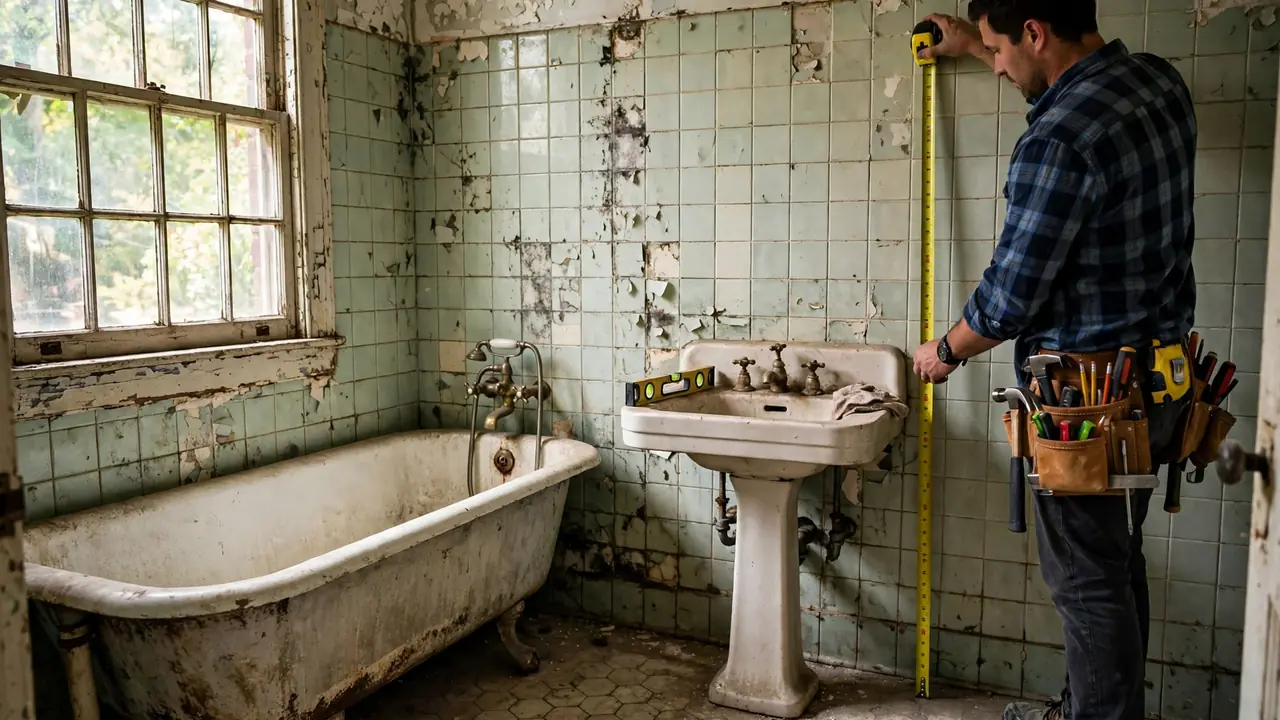
A bathroom renovation can mean anything from a weekend of paint and new fixtures to a full gut job that moves walls and plumbing. That is why the price quotes homeowners collect for the same room can differ by tens of thousands of dollars. If you are asking how much does it cost to renovate a bathroom, the honest answer is a range, and this guide breaks it down so you can see where your project sits inside it.
You will find realistic 2026 US prices for three levels of work: a cosmetic refresh, a mid-range remodel, and a high-end gut renovation, plus what drives the price up, where you can save without hurting the result, and how labor, permits, and the DIY split change the total.
Featured Snippet Answer
In 2026, a bathroom renovation in the US typically costs $1,500 to $5,000 for a cosmetic refresh, $10,000 to $25,000 for a mid-range remodel, and $30,000 to $75,000 or more for a high-end gut renovation. Most homeowners land between $12,000 and $25,000, with labor taking roughly 40 to 50 percent of the budget.
Before You Begin
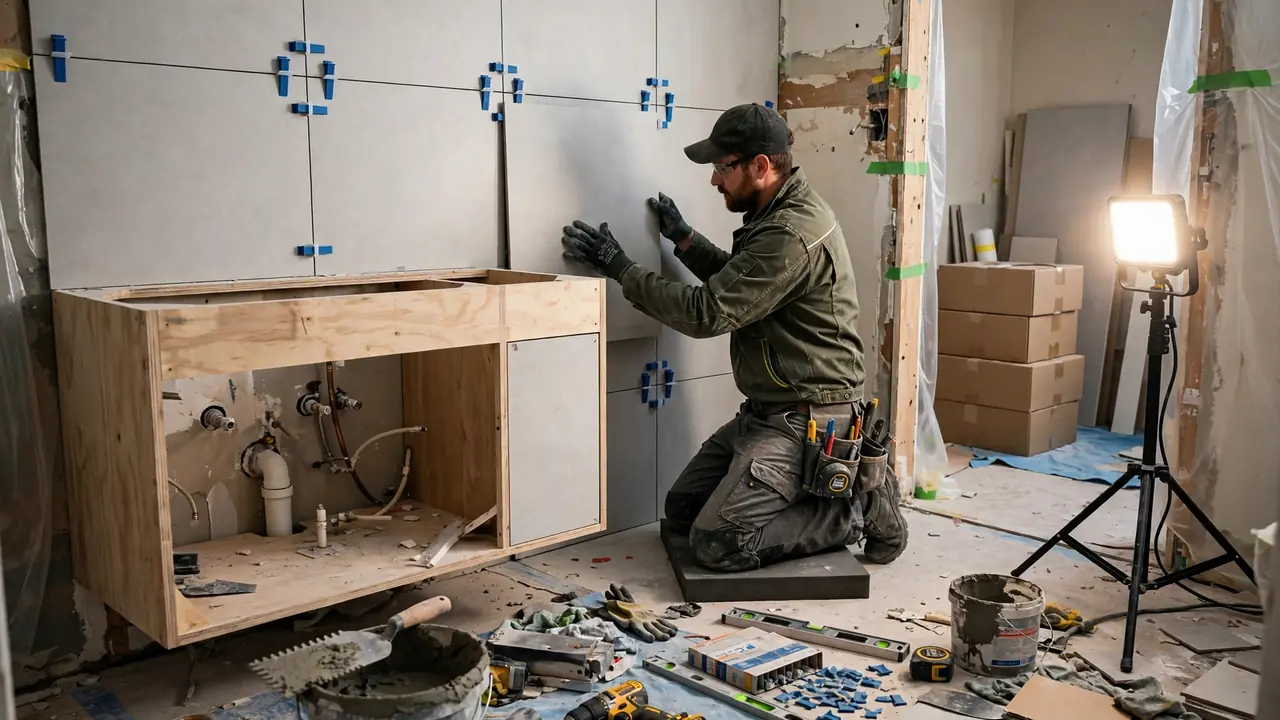
Before you price anything, decide what kind of project you actually have. A cosmetic refresh keeps the layout, plumbing, and electrical in place and changes only surfaces and fixtures. A mid-range remodel replaces most fixtures and finishes but still keeps the same floor plan. A gut renovation strips the room to the studs and often moves pipes, drains, or walls. Each jump in scope roughly doubles the price, so naming your category honestly is the single most useful budgeting step you can take.
Measure your bathroom and note its square footage, because many contractors quote a rough per-square-foot figure first. Photograph every wall and the vanity cabinet interior. Check for soft spots around the tub and toilet, stains on the ceiling below, and slow drains, because hidden water damage is the most common reason bathroom budgets blow up mid-project. If your home was built before 1978, plan for a lead paint test, and treat old vinyl flooring and pipe insulation as possible asbestos sources until a test says otherwise.
At a Glance
| Factor | Details |
|---|---|
| Typical total cost | $1,500 to $75,000+, depending on scope and finishes |
| Cost per square foot | $70 to $250 for a full remodel; less for cosmetic work |
| Most common budget | $12,000 to $25,000 for a mid-range remodel |
| Labor share | About 40 to 50 percent of the total |
| DIY difficulty | Moderate for cosmetic work; high for plumbing and tile |
| Timeline | 2 days to 8 weeks depending on scope |
| Permit needed | Usually yes if plumbing, electrical, or walls change |
| Best for | Homeowners updating a dated, worn, or hard-to-clean bathroom |
Things You’ll Need
Gather these items before you call contractors or set a number.
| Item | Purpose |
|---|---|
| Tape measure and room sketch | Gives contractors the square footage and layout they need to quote accurately |
| Phone photos of every surface | Documents existing damage, plumbing positions, and access points |
| A written wish list split into must-haves and nice-to-haves | Keeps quotes comparable and makes cuts easy if bids come in high |
| At least three written contractor quotes | Shows you the real local price range for your exact scope |
| A budget spreadsheet with a 15 percent contingency line | Absorbs the hidden repairs that most bathroom projects uncover |
| Permit fee information from your local building department | Confirms what your city charges and which parts of the job need inspection |
Safety Precautions
Renovation pricing often ignores safety, but the costs of doing this part right belong in the budget. Shut off water and power to the room before any demolition, and test outlets with a voltage tester before touching wiring. Wear a fitted respirator during demolition, because old drywall dust, mold behind tubs, and tile thinset dust are all hard on lungs. In homes built before 1978, test for lead paint before sanding or tearing out painted surfaces, and have suspect flooring or insulation tested for asbestos before you disturb it. Budget a few hundred dollars for testing in an older home; it is far cheaper than a cleanup after the fact. Keep the path to the shut-off valve clear, because a cut pipe during demolition is a realistic accident.
Step-by-Step Guide
Build your estimate in the same order a contractor builds a bid.
Step 1: Fix the Scope in Writing
Write down exactly what changes and what stays. List the tub or shower, toilet, vanity, flooring, lighting, fan, and wall finish, and mark each one keep, refinish, or replace. Every vague line in a scope becomes a change order later, and change orders are where renovation budgets go to die.
Step 2: Price the Cosmetic Refresh
If your layout works and the plumbing is sound, a cosmetic refresh runs $1,500 to $5,000. That covers paint, a new vanity or a refaced one, a new toilet, updated faucets and lighting, a reglazed tub, and new accessories. Most of this work is DIY friendly, so the budget is mostly materials, and it makes the biggest visual difference per dollar in a bathroom that is dated but functional.
Step 3: Price the Mid-Range Remodel
A mid-range remodel runs $10,000 to $25,000 and replaces the main fixtures and finishes while keeping the layout. Expect a new tub or tiled shower, ceramic or porcelain tile, a quality vanity with a stone or quartz top, new toilet and faucets, proper ventilation, and updated lighting. Keeping plumbing in place is what holds this tier under $25,000.
Step 4: Price the Gut Renovation
A gut renovation starts around $30,000 and can pass $75,000 in high-cost cities or with luxury finishes. The room comes down to the studs, subfloor damage gets repaired, plumbing and electrical are rerun, and layouts can change. Heated floors, steam showers, frameless glass, and custom tile all live in this tier. Get a fixed, itemized bid at this level; the allowances decide the final number.
Step 5: Add Labor Correctly
Labor typically takes 40 to 50 percent of a full remodel budget. Plumbers and electricians often charge $75 to $150 per hour in many metro areas, and general contractors add a management fee on top of trade labor. If you do demolition, painting, and simple installs yourself, you can cut 20 to 30 percent from the total, but leave licensed plumbing and electrical work to the trades in most jurisdictions.
Step 6: Add Permits and Inspections
Permit fees for a bathroom usually run $200 to $1,000 depending on the city and the scope. Cosmetic work often needs no permit. Moving a drain, adding a circuit, or changing a wall almost always does. Unpermitted work can stall a future home sale, so treat the permit as part of the real cost, not an optional extra.
Step 7: Add the Contingency
Add 15 percent to your subtotal for surprises, and 20 percent if the home is older or you have seen any sign of water damage. Rotten subfloor under a tub, corroded supply lines, and mold behind a shower wall are routine discoveries in bathroom work.
Step 8: Compare Bids Line by Line
Lay your three quotes side by side and compare the same lines: demolition, plumbing, electrical, tile, fixtures, and finishes. A bid that is far lower than the others usually has a missing line, a cheap allowance, or an assumption you have not seen. Ask what fixture and tile allowances each bid uses; a $500 tile allowance and a $3,000 one describe very different bathrooms at the same headline price.
How to Know You Did It Correctly
Your estimate is solid when three conditions hold. First, every line of your written scope has a price attached, from demolition to the last towel bar. Second, your three bids cluster within about 20 percent of each other once allowances are matched, which tells you the number reflects your local market rather than one contractor guessing. Third, your budget still works after the contingency is added, without assuming best-case prices on any major item. If the total only works when everything goes perfectly, it is not a budget yet.
Expected Timeline and Results
A cosmetic refresh takes two to five days of actual work. A mid-range remodel typically runs two to four weeks, including inspection gaps and tile curing time. A gut renovation takes four to eight weeks, and longer if custom glass or cabinets are on order. The result you should expect at mid-range is a bathroom that feels new in every visible way: watertight tile work, strong water pressure, a quiet effective fan, and finishes that are easy to clean.
Alternative Methods
If a full renovation is out of reach this year, phased work is a legitimate alternative. Do the waterproofing-critical items first: fix leaks, replace a failing shower valve, and upgrade the fan. Cosmetic items can follow in any order as budget allows. A second option is the liner route for a worn tub and shower surround, which costs far less than replacement but does not fix problems behind the wall. A third option is buying the plan only: a designer produces a fixed design and materials list for a fee, which you then execute with your own trades over time.
Common Mistakes to Avoid
- Budgeting from a national average instead of local quotes. Labor in a major metro can cost double the rate in a rural county.
- Forgetting the contingency. Hidden water damage is the rule in bathroom work, not the exception.
- Comparing bids without matching allowances for tile, fixtures, and the vanity.
- Moving the toilet or shower to a new position for a small layout gain. Drain moves are among the most expensive changes per inch.
- Spending the whole budget on visible finishes while skipping waterproofing and ventilation.
- Starting demolition before the new fixtures and tile are on site and inspected for damage.
Troubleshooting
| Problem | Cause | Solution |
|---|---|---|
| Bids vary by $10,000 or more | Different scopes or allowances hidden inside each quote | Normalize every bid against your written scope and the same allowance figures |
| Budget blown in week one | Rotten subfloor or mold found during demolition | Use the contingency first, then cut finish items, never waterproofing |
| Tile costs far exceed the estimate | Allowance priced builder-grade tile while you chose large-format or natural stone | Price your exact tile, including waste and setting materials, before signing |
| Permit rejected or delayed | Layout change triggers extra review or an egress and venting question | Visit the building department early with a sketch and ask what they need |
| Total keeps creeping up during the job | Change orders added one small upgrade at a time | Freeze the scope after signing; log every change with its price before approving |
Expert Tips
- Keep the toilet on its existing flange if you can. Moving a toilet drain even a few feet can add $1,000 to $3,500 in plumbing labor.
- Spend on the shower valve and waterproofing membrane, save on the decorative tile by using an affordable field tile with a premium accent band.
- Ask each contractor for a payment schedule tied to completed stages, and hold the final 10 percent until the final inspection passes and the punch list is done.
- Order the vanity and fixtures yourself during sales if your contractor agrees, but confirm return windows, because schedules slip.
- Photograph every open wall before drywall closes it; knowing where pipes and wires run is free insurance later.
- Choose a standard-size tub and vanity over custom sizes. Standard dimensions cut both product cost and the labor to fit them.
When to Call a Professional
Call a licensed plumber for any work that moves supply lines or drains, replaces a shower valve inside the wall, or connects to the vent stack. Call a licensed electrician for new circuits, a whirlpool tub motor, or any wiring near water that needs GFCI protection and code spacing. Structural changes, such as removing a wall or enlarging a window, need a contractor and often an engineer letter. The professional line is simple: if the work goes inside the wall, involves the panel, or affects structure, hire it out and get it inspected.
What to Do Next
Measure your bathroom, write your keep-refinish-replace list, and pick your tier today. Then get three written, itemized quotes against that same scope and compare the allowances line by line. If the numbers come in high, cut scope in this order: decorative upgrades first, fixture brand levels second, layout changes third. Never cut waterproofing, ventilation, or the permit to make a budget work; those cuts always return as larger bills.
FAQs
How much does it cost to renovate a small bathroom?
A small bathroom of 35 to 40 square feet typically costs $8,000 to $18,000 for a mid-range remodel, because the fixture count is the same as a larger room even though tile and flooring quantities drop. A cosmetic refresh in a small bathroom can start near $1,200. Per-square-foot costs look high in small baths because one toilet, one vanity, and one shower cost the same at any size.
What is the most expensive part of a bathroom renovation?
Labor is usually the largest share at 40 to 50 percent of the budget. Among individual items, a tiled shower is often the single biggest cost, followed by the vanity with its countertop and fixtures. Keeping the existing layout is the most effective way to hold the expensive parts down.
Can I renovate a bathroom for $5,000?
Yes, if the layout stays, the plumbing is healthy, and you do much of the work yourself. A $5,000 budget covers paint, a new vanity and toilet, updated faucets and lighting, a reglazed tub, and fresh accessories. It does not cover a new tiled shower or moved plumbing.
Do I need a permit to renovate my bathroom?
Cosmetic work such as paint, a like-for-like vanity swap, and new accessories usually needs no permit. Moving plumbing, adding or moving electrical circuits, and altering walls typically do. Permits for a bathroom commonly cost $200 to $1,000 and include inspections that protect you as much as anyone.
How long does a bathroom renovation take?
A cosmetic refresh takes two to five days. A mid-range remodel takes two to four weeks once materials are on site. A gut renovation takes four to eight weeks. Add time for permits, inspections, and custom glass or cabinetry made to order mid-project.
Does a bathroom renovation add value to a home?
A well-executed mid-range bathroom remodel commonly returns a meaningful share of its cost at resale, often estimated around half to two-thirds, and it also removes a common objection buyers raise. Overbuilding beyond the level of the neighborhood returns less.
Final Thoughts
A bathroom renovation costs what its scope says it costs: $1,500 to $5,000 to refresh, $10,000 to $25,000 to remodel at mid-range, and $30,000 and up to gut and rebuild. Write the scope, price the tier, match the bids, and protect the budget with a real contingency. Do those four things and the final invoice will look a lot like your first estimate.