
Introduction
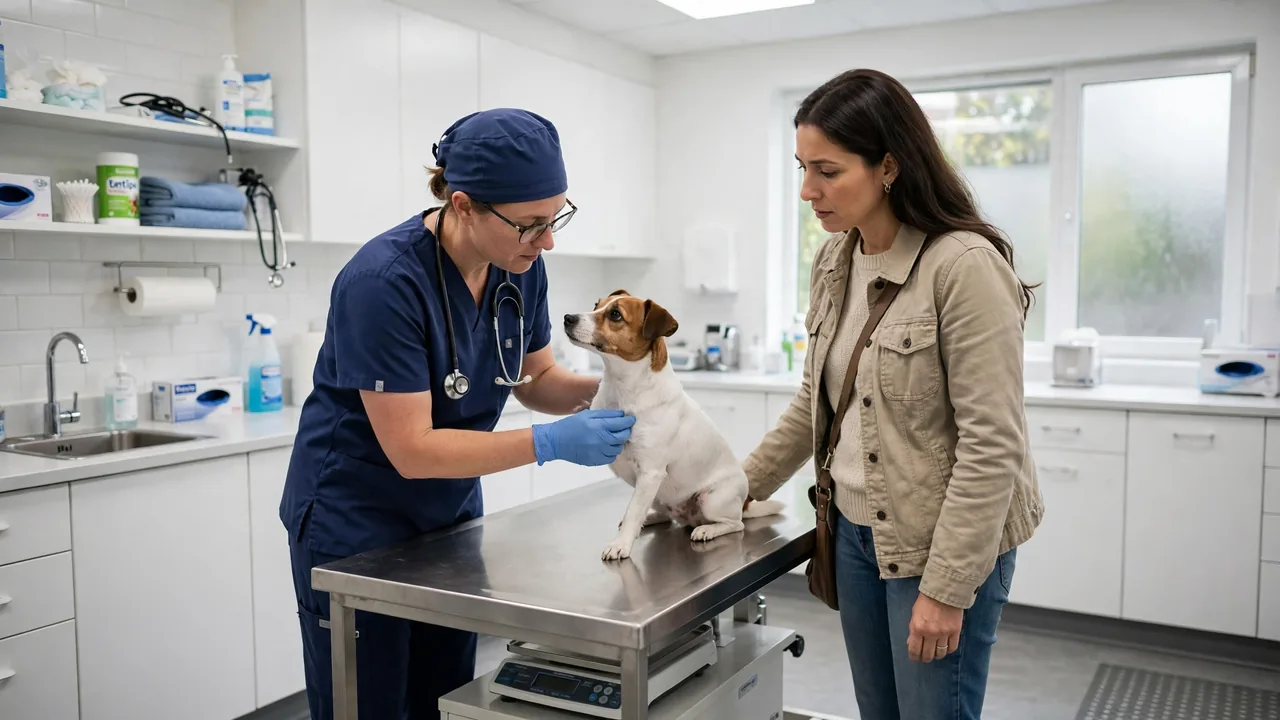
Ask three different clinics what it costs to spay a dog and you can get three wildly different answers: one quotes under a hundred dollars, another lands near eight hundred. Both can be honest. The gap comes from your dog’s size, where you live, the type of clinic, and a list of add-ons that may or may not be folded into the headline price.
This guide breaks the cost down properly: typical price ranges by dog size, how location and clinic type move the number, what a standard spay quote usually includes, and which extra fees appear on real invoices. You will finish able to compare two quotes line by line and spot the one that is actually cheaper.
Featured Snippet Answer
Spaying a dog typically costs $200 to $800 at a private veterinary practice in the US, depending mainly on the dog’s size and your location. Low-cost clinics and humane societies often charge $50 to $250. Pre-surgery bloodwork, pain medication, and an e-collar may be included or billed separately, so always compare the full itemized quote.
Before You Begin

A spay is an ovariohysterectomy: surgical removal of the ovaries and usually the uterus, done under general anesthesia. It is one of the most common procedures vets perform, but it is still abdominal surgery, and the price reflects anesthesia, monitoring, sterile surgical time, and medication, not just a few minutes of work.
Three variables drive nearly all of the price difference. Size matters because anesthesia dosing, surgical time, and material use all scale with weight, so a Great Dane costs more than a Chihuahua. Location matters because rent and staff wages in major metro areas push every service price up. Clinic type matters most of all: a full-service private hospital carries facilities and staffing that a high-volume nonprofit spay clinic is specifically organized to avoid.
Timing also plays a role. Spaying is usually scheduled around six months of age, before or after the first heat depending on your vet’s advice for the breed. A dog who is in heat, pregnant, or overweight makes the surgery longer and more complex, and clinics commonly add a surcharge for each of those conditions.
Choosing the Right Approach

Where you book the surgery is the single biggest cost decision. All three options below perform the same core procedure; they differ in setting, extras, and scheduling flexibility.
| Clinic type | Typical price range | Usually includes | Trade-offs |
|---|---|---|---|
| Private veterinary hospital | $200 to $800 | Exam, anesthesia monitoring, IV fluids, pain medication, follow-up | Highest cost, most individualized care, easiest scheduling |
| Low-cost spay/neuter clinic | $50 to $250 | Surgery and basic anesthesia; extras itemized | Waitlists are common; some size or age limits apply |
| Humane society or shelter program | $50 to $200 | Surgery, sometimes vaccination add-ons | Limited dates, eligibility rules, and availability by area |
| Mobile spay/neuter unit | $50 to $200 | Surgery at scheduled community stops | Books out fast; you travel to the unit’s location |
At a Glance
| Factor | Details |
|---|---|
| Difficulty | Easy to arrange; the work is comparing quotes and booking ahead |
| Time | Drop-off and same-day pickup at most clinics; low-cost clinics may need booking weeks out |
| Typical total cost | $50 to $250 at low-cost providers; $200 to $800 at private vets |
| Skill level | None; surgery is performed by licensed veterinarians |
| Best for | Any female dog not intended for a responsible breeding program |
Cost Breakdown by Dog Size
Most clinics price spays in weight bands. These ranges reflect typical US private-practice pricing; low-cost providers usually charge a flatter, lower rate with smaller size differences.
| Dog size | Example breeds | Private vet range | Low-cost clinic range |
|---|---|---|---|
| Small, under 25 lb | Chihuahua, Yorkie, Shih Tzu | $200 to $450 | $50 to $150 |
| Medium, 25 to 50 lb | Beagle, Border Collie, Bulldog | $300 to $600 | $75 to $200 |
| Large, 50 to 90 lb | Labrador, German Shepherd, Boxer | $400 to $800 | $100 to $250 |
| Extra large, over 90 lb | Great Dane, Mastiff, Rottweiler | $500 to $1,000+ | Often limited or referred out |
Location layers on top of size. The same medium-dog spay that costs $300 in a rural practice can reach $600 or more in a major coastal city. If you live in an expensive metro area, a low-cost clinic or a practice one county over can cut the bill dramatically for identical surgery.
Things You’ll Need
| Item | Purpose |
|---|---|
| Your dog’s weight and age | Clinics quote by weight band; age affects anesthesia planning |
| Vaccination records | Many clinics require current rabies vaccination or add it on the day |
| A list of medications and health issues | Changes anesthesia and bloodwork decisions |
| An e-collar or recovery suit | Prevents licking the incision for 10 to 14 days; sometimes included, sometimes sold separately |
| A quiet recovery space at home | Restricted activity speeds healing and prevents the most common complications |
What Is Included and What Costs Extra
A standard spay quote usually covers the pre-surgery exam, general anesthesia, the surgery itself, monitoring during the procedure, and basic post-op pain relief. From there, clinics diverge, and the extras are where cheap quotes quietly grow.
| Item | Often included? | If extra, typical cost |
|---|---|---|
| Pre-anesthetic bloodwork | Included at many private vets; optional at low-cost clinics | $50 to $150 |
| IV catheter and fluids | Standard at private hospitals; varies at low-cost clinics | $30 to $75 |
| Take-home pain medication | Usually included for the first days | $15 to $40 |
| E-collar (cone) | Sometimes included | $10 to $30 |
| Microchip during surgery | Optional add-on | $25 to $75 |
| In-heat or pregnancy surcharge | Never included; condition-based | $25 to $150 |
| Retained baby teeth extraction | Optional while under anesthesia | $25 to $100 per tooth |
The bloodwork line deserves a comment. For a young, healthy dog it is a safety screen that catches hidden problems before anesthesia. Skipping it saves money, and many low-cost clinics make it optional for exactly that reason, but the saving is a trade-off, not a freebie. Ask what your clinic recommends for your dog’s age and history.
Step-by-Step Guide
Step 1: Weigh your dog and note her age and heat status. Every quote depends on these three facts. If she is in heat now, tell clinics upfront; some will book after it ends, others charge a surcharge to proceed.
Step 2: Collect at least three itemized quotes. Ask each clinic for the full breakdown in writing or by email: surgery, anesthesia, bloodwork, fluids, pain medication, and the e-collar, each on its own line. A single lump number cannot be compared fairly.
Step 3: Ask the four money questions. Is bloodwork included or extra? Is take-home pain medication included? What surcharges apply if she is in heat or overweight? What does the recheck visit cost if the incision needs attention? These answers close the gap between quote and invoice.
Step 4: Check low-cost options early. Search your county humane society, local SPCA, and state low-cost spay programs. These book out weeks in advance, so look before you need the appointment, not after. Some programs have income-based eligibility; others serve everyone.
Step 5: Book and prepare. Follow the clinic’s fasting instructions, usually no food after the evening before surgery, with water rules varying by clinic. Arrange a calm ride home and clear your schedule for the pickup window.
Step 6: Manage the two-week recovery. Keep the cone on, restrict running and stairs, check the incision daily, and attend any scheduled recheck. Most surprise vet bills after a spay come from licking or overactivity, not the surgery itself, so recovery discipline is also cost control.
How to Know You Did It Correctly
You chose well if your final invoice matches the itemized quote within a few dollars, the extras you paid for were ones you understood and approved beforehand, and the follow-up care, incision recheck, and medication were all clear before you left the clinic. A good booking feels boring on the day: no surprises at the desk, and a dog who is groggy but comfortable by evening.
Expected Timeline and Results
Most spays are same-day procedures: morning drop-off, afternoon or evening pickup. Your dog will be sleepy for the first 24 hours, then improve daily, with activity restricted for 10 to 14 days until the incision is checked or sutures are removed. Booking lead time ranges from a few days at private vets to several weeks at popular low-cost clinics, which is why starting the quote process early saves both money and stress.
Ways to Lower the Cost
Beyond choosing a low-cost clinic, a few legitimate levers exist. Voucher programs run by shelters and animal welfare groups subsidize spays in many counties; search your state or county name plus “spay voucher.” Veterinary schools with teaching hospitals sometimes offer lower procedure rates in exchange for student involvement under supervision. Scheduling before the first heat, where your vet agrees it suits the breed, avoids in-heat surcharges and is often operationally simpler. Bundling sensible add-ons while your dog is already under anesthesia, such as a microchip or needed dental work, costs less than separate sedation later. Pet insurance rarely covers spaying itself, though some wellness plans reimburse a portion, so check your policy wording rather than assuming.
Common Mistakes to Avoid
- Comparing headline prices only. A $150 quote without bloodwork, fluids, or medication can end above a $350 all-inclusive quote once you add what you actually want.
- Not disclosing heat, weight, or pregnancy. Surcharges discovered on the day feel like ambushes; disclosing upfront makes them part of the quote.
- Declining all pain medication to save money. Post-surgery pain control is not a luxury line item. If cost is tight, cut elsewhere or choose a lower-cost clinic rather than sending a dog home sore.
- Waiting until the last minute. Low-cost clinics book out weeks ahead. Urgency forces the expensive option.
- Skipping the cone to be kind. Licking is the top cause of incision infections and reopening, and fixing those costs far more than the cone did.
Troubleshooting and Common Problems
| Problem | Cause | Solution |
|---|---|---|
| Final bill much higher than the quote | Extras added without clear pre-approval, or undisclosed condition surcharges | Ask for the itemized invoice, compare with your written quote, and query any line you did not approve |
| Low-cost clinics are fully booked | High demand and limited surgery days | Join waitlists, check neighboring counties and mobile units, and ask your vet about payment plans |
| Dog licked or opened the incision | Cone removed or poor fit during recovery | Refit the cone and call your clinic the same day; openings and discharge need professional assessment |
| Quote seems suspiciously cheap | Anesthesia monitoring, bloodwork, or pain relief excluded | Ask exactly what the price excludes before booking, and compare the true totals |
Expert Tips
- Get quotes in the same week. Prices and weight bands change; quotes gathered months apart are hard to line up fairly.
- Ask about the recheck policy, not just the surgery. Clinics that include a free incision recheck quietly remove the most common follow-up cost.
- Photograph the incision daily. A simple photo series shows your vet exactly how healing is progressing if you call with a concern.
- Time the surgery with your calendar. Booking before a quiet week at home makes the two weeks of restricted activity far easier to enforce.
When to Call a Professional
Call your clinic the same day if the incision opens, bleeds, oozes, or develops a hot swelling, if your dog refuses food beyond the first day, vomits repeatedly, or seems unusually lethargic after 24 hours. Most recoveries are uneventful, but post-surgical complications are cheapest and safest when caught on day one rather than day five.
What to Do Next
Weigh your dog, then request itemized quotes from one private vet and at least one low-cost provider this week. Compare the true totals, ask the four money questions, and book the option that fits your budget without stripping out pain control or follow-up. The earlier you book, the more choices you keep.
FAQs
How much does it cost to spay a small dog?
For dogs under 25 pounds, private vets typically charge $200 to $450, while low-cost clinics often charge $50 to $150. Small dogs need less anesthesia and surgical time, so they sit at the bottom of every price table.
Why is spaying more expensive than neutering?
A spay is abdominal surgery: the vet opens the abdomen to remove the ovaries and uterus. Neutering a male is a shorter, less invasive procedure that does not enter the abdomen, so it uses less anesthesia time and costs less almost everywhere.
Does pet insurance cover spaying?
Standard accident and illness policies usually exclude spaying because it is planned, preventive care. Some wellness add-ons reimburse a fixed amount toward it. Read your policy’s preventive care section for the exact answer.
Is the cheapest spay clinic safe?
Low-cost clinics are staffed by licensed veterinarians who perform these surgeries at high volume, which builds real expertise. The lower price comes from streamlined operations and subsidies, not from skipping the surgery’s core steps. Ask what monitoring and pain relief are included so you know the full picture.
What extra fees should I expect on the day?
The common ones are pre-anesthetic bloodwork if not included, IV fluids, an e-collar, a microchip if you opt in, and condition surcharges for heat, pregnancy, or obesity. Each is modest alone; together they can add $100 or more to a bare quote.
At what age should a dog be spayed, and does age affect cost?
Many vets suggest around six months, adjusted for breed and size; large breeds are sometimes advised to wait longer for growth reasons. Cost follows weight more than age, so a dog spayed later simply lands in a higher weight band, and older dogs may be advised to have bloodwork, adding to the total.
Final Thoughts
The cost to get a dog spayed is not one price but a formula: size, location, clinic type, and the extras you choose. Owners who understand the formula stop being surprised by quotes. Compare itemized totals, protect the essentials like pain relief and follow-up, and book early enough to use the low-cost options. Done that way, a responsible one-time cost buys a lifetime of avoided litters and health risks.