
Cucumbers are crisp, refreshing, and incredibly versatile, but they can lose their texture surprisingly quickly if stored improperly. Many people toss cucumbers into the refrigerator without realizing that excess moisture, poor airflow, or incorrect temperatures can cause them to become soft, slimy, or wrinkled within a few days.
Learning how to keep cucumbers fresh isn’t difficult, but using the right storage method can significantly extend their shelf life while preserving their crunch and flavor. If you bought whole cucumbers from the grocery store, harvested them from your garden, or picked up mini Persian cucumbers for snacks, proper storage makes a noticeable difference.
In this guide, you’ll learn the best ways to store cucumbers, when to refrigerate them, when to leave them at room temperature, and how to avoid the most common mistakes that cause them to spoil early.
Featured Snippet
To keep cucumbers fresh, store them dry, unwashed, and wrapped in a paper towel inside a loosely sealed plastic bag in the refrigerator’s crisper drawer. Keep them away from ethylene-producing fruits like bananas and apples, and avoid excess moisture. Properly stored whole cucumbers typically stay fresh for about one week or longer, depending on their freshness when purchased.
Before You Begin
Proper cucumber storage starts before you even place them in your refrigerator. The fresher your cucumbers are when you buy or harvest them, the longer they’ll last.
Difficulty
Easy
Time Required
5–10 minutes
Cost
Free if you already have paper towels and storage bags.
DIY or Professional?
Completely DIY.
Before You Start
- Choose firm cucumbers with smooth skin.
- Avoid cucumbers with soft spots, wrinkles, or mold.
- Leave cucumbers unwashed until you’re ready to eat them.
- Dry off any visible moisture before storing.
- Decide if you’ll use them within a few days or need longer storage.
Choosing the Right Approach
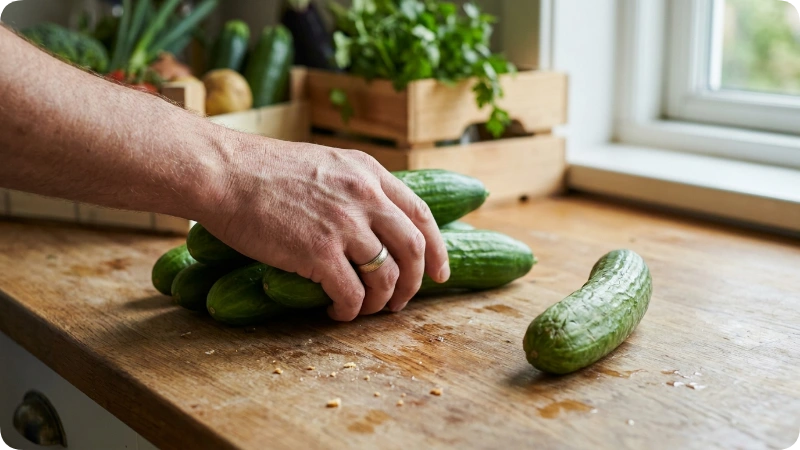
Different storage methods work better depending on how long you want cucumbers to stay fresh and if they’re whole or already cut.
| Storage Method | Best For | Expected Freshness | Pros | Cons |
| Wrapped in paper towel inside refrigerator | Most whole cucumbers | 7–10 days | Excellent balance of humidity and airflow | Requires paper towel replacement if damp |
| Refrigerator crisper drawer | Everyday storage | 5–7 days | Convenient and easy | May become too humid without wrapping |
| Room temperature | Using within 1–2 days | 1–3 days | Maintains flavor temporarily | Spoils quickly in warm environments |
| Airtight container for sliced cucumbers | Cut cucumbers | 2–4 days | Prevents drying out | Short shelf life after cutting |
| Vacuum-sealed storage | Longer storage | Up to 2 weeks in ideal conditions | Reduces moisture loss | Requires special equipment |
Which Method Is Best?
For most households, wrapping whole cucumbers in a dry paper towel and placing them inside a loosely closed plastic or reusable produce bag in the refrigerator offers the best combination of freshness, texture, and convenience.
This method helps regulate moisture without trapping excessive condensation, a leading cause of premature spoilage.
At a Glance
| Factor | Details |
| Difficulty | Easy |
| Time Needed | 5–10 minutes |
| Estimated Cost | Free to under $5 |
| Skill Level | Beginner |
| Best For | Keeping whole cucumbers crisp for up to a week or longer |
| Ideal Storage Temperature | Cool refrigerator, preferably in the crisper drawer |
| Works For | Garden cucumbers, English cucumbers, Persian cucumbers, mini cucumbers, and most grocery store varieties |
Things You’ll Need
| Item | Purpose |
| Fresh cucumbers | The produce you’re storing |
| Paper towels | Absorb excess moisture and reduce condensation |
| Plastic produce bag or reusable storage bag | Helps maintain the right humidity level |
| Refrigerator with crisper drawer | Provides consistent cool storage |
| Airtight container (for sliced cucumbers) | Prevents cut pieces from drying out |
| Clean kitchen towel | Dry cucumbers if moisture is present before storage |
Before you begin, make sure every cucumber is completely dry. Even small amounts of surface moisture can encourage mold growth and shorten freshness.
Safety Precautions
Although storing cucumbers is simple, a few precautions can help prevent food waste and reduce the risk of eating spoiled produce.
- Wash your hands before handling cucumbers, especially if you’ll be storing cut pieces.
- Don’t wash whole cucumbers before storage. Extra moisture encourages mold and bacterial growth. Wash them only right before eating or preparing them.
- Use clean storage containers for sliced cucumbers to prevent contamination.
- Discard cucumbers with mold. If you notice fuzzy mold or a foul odor, it’s safest to throw them away rather than trimming the affected area.
- Keep raw meat separate from fresh vegetables in the refrigerator to avoid cross-contamination.
- Check stored cucumbers every few days. Removing one cucumber that has started to spoil can help protect the rest.
Step-by-Step Guide
Step 1: Choose the Freshest Cucumbers
The storage process begins before you get home. Cucumbers that are already aging won’t last long, no matter how carefully you store them.
Look for cucumbers that are:
- Firm from end to end
- Bright green in color
- Smooth-skinned (depending on the variety)
- Heavy for their size
- Free from wrinkles, cuts, bruises, or soft spots
Avoid cucumbers that feel rubbery or have yellowing skin, as these are signs they’re already losing quality.
Why It Matters
Fresh cucumbers naturally contain a high percentage of water. Once they begin losing moisture, their texture quickly deteriorates.
Common Mistake
Buying discounted cucumbers that already have soft ends or wrinkled skin. These are best used immediately rather than stored for later.
Step 2: Keep Cucumbers Dry
If your cucumbers have condensation from the grocery store or moisture from harvesting, gently dry them with a clean kitchen towel or paper towel.
Do not rinse them before storage.
Any water left on the surface creates a humid environment that encourages mold and soft spots.
Why It Matters
Moisture is one of the biggest reasons cucumbers spoil early. A dry surface helps preserve their natural protective skin.
Common Mistake
Washing all produce as soon as you bring it home. While this works for some fruits and vegetables, cucumbers stay fresh longer when they’re stored dry.
Step 3: Wrap Each Cucumber in a Paper Towel
Wrap each whole cucumber individually with a dry paper towel.
The paper towel serves two important purposes:
- It absorbs excess moisture.
- It prevents condensation from sitting directly on the cucumber’s skin.
If storing several cucumbers together, wrapping them separately also reduces the chance that one spoiled cucumber will affect the others.
Why It Matters
Many guides simply recommend placing cucumbers in a plastic bag. Wrapping them first helps regulate humidity much more effectively and reduces moisture buildup.
Common Mistake
Using a soaking-wet paper towel. Always use a completely dry towel.
Step 4: Place Them in a Loosely Closed Bag
After wrapping, place the cucumbers inside a plastic produce bag, reusable produce bag, or a partially open zip-top bag.
Do not seal the bag completely airtight.
A small amount of airflow helps reduce excess humidity while still preventing the cucumbers from drying out too quickly.
Why It Matters
Cucumbers need a balance between moisture retention and ventilation. Too much airflow dries them out, while too little traps condensation.
Common Mistake
Sealing cucumbers inside an airtight plastic bag without anything to absorb moisture. This often leads to condensation and faster spoilage.
Step 5: Store Them in the Refrigerator’s Crisper Drawer
Place the bagged cucumbers inside the refrigerator’s crisper drawer.
The crisper drawer is designed to maintain more consistent humidity than the open refrigerator shelves, making it one of the best locations for fresh vegetables.
Avoid placing cucumbers:
- Against the refrigerator’s back wall, where temperatures can become too cold.
- Directly beneath freezer vents.
- On the coldest shelf if your refrigerator tends to freeze delicate produce.
Aim for a cool, stable environment rather than extremely cold temperatures.
Why It Matters
Cucumbers are sensitive to chilling injury if exposed to very cold temperatures for extended periods. Proper placement helps preserve both texture and flavor.
Common Mistake
Leaving cucumbers loose on a refrigerator shelf where they experience frequent temperature changes every time the door opens.
Step 6: Keep Cucumbers Away from Ethylene-Producing Fruits
One of the most overlooked reasons cucumbers spoil quickly is where they’re stored in relation to other produce.
Keep cucumbers away from fruits that release ethylene gas, including:
- Apples
- Bananas
- Pears
- Avocados
- Tomatoes
- Peaches
- Melons
Ethylene speeds up the natural aging process, causing cucumbers to soften, yellow, and spoil faster.
If possible, dedicate a separate section of your crisper drawer or refrigerator to cucumbers and other ethylene-sensitive vegetables.
Why It Matters
Many storage guides mention refrigeration but overlook ethylene exposure. Simply separating cucumbers from ethylene-producing fruits can noticeably extend their freshness.
Common Mistake
Storing cucumbers in the same produce drawer as apples or ripe bananas because it’s convenient.
Step 7: Store Sliced Cucumbers Properly
Once a cucumber has been cut, it begins losing moisture much faster.
To keep sliced cucumbers fresh:
- Pat the cut pieces dry if necessary.
- Place them in a clean airtight container.
- Line the container with a dry paper towel to absorb excess moisture.
- Refrigerate immediately.
- Replace the paper towel if it becomes damp.
For cucumber halves, cover the cut end tightly with plastic wrap or beeswax wrap before placing them in a container.
Why It Matters
Cut cucumbers are much more vulnerable to drying out and bacterial contamination than whole cucumbers.
Common Mistake
Leaving sliced cucumbers uncovered on a plate or in an unsealed bowl inside the refrigerator.
Inspect stored cucumbers every two to three days.
Look for signs such as:
- Soft spots
- Excess moisture inside the bag
- Wrinkled skin
- Sliminess
- Mold
- Yellowing
If the paper towel has become damp, replace it with a fresh, dry one.
If one cucumber begins to spoil, remove it immediately to help protect the others.
Why It Matters
A quick inspection takes less than a minute but can significantly reduce food waste by preventing one spoiled cucumber from affecting the rest of the batch.
How to Know You Did It Correctly
After following the storage steps, your cucumbers should remain crisp, flavorful, and appealing for much longer than if they were simply tossed into the refrigerator. Checking them periodically helps confirm your storage method is working.
Here are the signs your cucumbers are staying fresh:
They Stay Firm
A fresh cucumber should feel solid from one end to the other. There should be little to no softness when you gently squeeze it.
If the cucumber starts feeling rubbery or bends easily, it’s beginning to lose moisture.
The Skin Remains Bright and Smooth
Healthy cucumbers keep their vibrant green color and smooth texture.
A few minor wrinkles may appear after several days, but excessive shriveling usually means the cucumber is drying out.
There’s No Slimy Coating
The surface should feel clean and dry.
A sticky or slimy texture often indicates excess moisture or the early stages of spoilage.
The Ends Stay Fresh
Both ends should remain firm and free from mushy spots.
Soft ends are often the first sign that a cucumber is nearing the end of its usable life.
The Bag Stays Mostly Dry
A small amount of moisture is normal, but there shouldn’t be heavy condensation inside the storage bag.
If you notice water droplets collecting, replace the paper towel with a fresh, dry one.
The Flavor Remains Crisp
When sliced, the cucumber should have:
- A satisfying crunch
- Mild, refreshing flavor
- Plenty of moisture inside
- No bitter or sour taste
If the texture has become spongy or the flavor seems unpleasant, it’s time to discard it.
Expected Timeline and Results
The exact storage life depends on the cucumber variety, how fresh it was when purchased, and how consistently your refrigerator maintains temperature and humidity.
| Storage Method | Expected Freshness | What to Expect |
| Room temperature | 1–3 days | Best only if using soon |
| Refrigerator shelf (unwrapped) | 3–5 days | May lose moisture quickly |
| Wrapped in paper towel inside produce bag | 7–10 days | Excellent texture retention |
| Properly stored English cucumber | About 1 week | Thin skin needs gentle handling |
| Persian or mini cucumbers | 5–8 days | Stay crisp with proper humidity |
| Sliced cucumbers in airtight container | 2–4 days | Best quality within the first two days |
| Vacuum-sealed whole cucumbers | Up to 2 weeks (ideal conditions) | Longer freshness with minimal moisture loss |
Factors That Affect Shelf Life
Several factors influence how long cucumbers remain fresh:
- Freshness at the time of purchase
- Refrigerator temperature consistency
- Humidity level
- Exposure to ethylene gas
- Surface moisture before storage
- Frequency of refrigerator door opening
- If cucumbers are stored whole or sliced
Even perfect storage can’t restore a cucumber that was already aging when you bought it, so always start with the freshest produce possible.
Alternative Methods
While the paper towel and produce bag method works well for most people, there are several other ways to keep cucumbers fresh depending on your needs.
1. Store in a Reusable Produce Bag
Reusable mesh or fabric produce bags provide better airflow than standard plastic bags while still reducing moisture loss.
Best for: People who prefer reusable kitchen products.
Pros
- Eco-friendly
- Good air circulation
- Easy to wash and reuse
Cons
- Doesn’t control humidity as well as paper towel wrapping
- May allow cucumbers to dry out faster in some refrigerators
2. Use Beeswax Wrap
Beeswax wraps can be used for whole cucumbers or to cover the cut end of a partially used cucumber.
They create a breathable seal that reduces moisture loss without trapping excessive condensation.
Best for: Half-used cucumbers.
Pros
- Reusable
- Breathable
- Plastic-free
Cons
- Less effective for storing multiple whole cucumbers
3. Vacuum-Seal Whole Cucumbers
Removing excess air slows moisture loss and helps preserve freshness.
Vacuum sealing works best with whole cucumbers that are completely dry.
Best for: Buying cucumbers in bulk.
Pros
- Excellent moisture retention
- Longer storage life
- Less refrigerator odor transfer
Cons
- Requires a vacuum sealer
- Not practical for everyday use
4. Store Garden Cucumbers After Harvest
Freshly harvested cucumbers often last longer than store-bought ones because they haven’t spent days in shipping and storage.
To maximize freshness:
- Harvest during the cool morning hours.
- Brush off dirt instead of washing immediately.
- Dry thoroughly if moisture is present.
- Refrigerate within a few hours if you won’t use them the same day.
Garden cucumbers often maintain excellent texture when stored correctly because they begin the storage process at peak freshness.
5. Refrigerate Cut Cucumbers in Glass Containers
Glass containers with airtight lids help maintain humidity while preventing odor transfer from other foods.
For best results:
- Add a dry paper towel inside.
- Keep the container sealed.
- Replace the paper towel if it becomes damp.
This method works especially well for meal prep or packed lunches.
Which Method Is Best?
For most households, this combination delivers the best balance of simplicity and effectiveness:
- Leave cucumbers unwashed.
- Dry them thoroughly if needed.
- Wrap each cucumber in a dry paper towel.
- Place them in a loosely closed produce bag.
- Store them in the refrigerator’s crisper drawer.
- Keep them away from ethylene-producing fruits.
This approach requires minimal effort, uses inexpensive household items, and consistently helps preserve both texture and flavor.
Common Mistakes to Avoid
Even fresh cucumbers can spoil quickly if they’re stored incorrectly. Avoid these common mistakes to maximize freshness and reduce food waste.
Washing Cucumbers Before Storage
While it may seem convenient, washing cucumbers before refrigerating them leaves behind moisture that encourages mold and soft spots. Instead, wash them only when you’re ready to eat or prepare them.
Storing Them Next to Ethylene-Producing Fruits
Apples, bananas, pears, avocados, tomatoes, peaches, and melons release ethylene gas, which speeds up ripening and spoilage. Store cucumbers in a separate drawer or away from these fruits whenever possible.
Sealing Them in an Airtight Plastic Bag
Completely sealing cucumbers without any moisture control traps condensation inside the bag. Wrap them in a dry paper towel first and use a loosely closed produce bag instead.
Leaving Sliced Cucumbers Uncovered
Cut cucumbers lose moisture rapidly. Always store slices in an airtight container lined with a dry paper towel.
Ignoring Early Signs of Spoilage
Check your cucumbers every few days. Replacing a damp paper towel or removing one soft cucumber can help preserve the rest.
Storing Them in the Coldest Part of the Refrigerator
Very cold temperatures can cause chilling injury, leading to water-soaked spots and poor texture. The crisper drawer is usually the best location.
Troubleshooting & Common Problems
| Problem | Likely Cause | Solution |
| Cucumbers became slimy | Excess moisture or condensation | Replace the paper towel, dry the cucumber, and improve airflow |
| Cucumbers turned soft | Natural moisture loss or ethylene exposure | Store away from ethylene-producing fruits and use the paper towel method |
| Wrinkled skin | Dehydration | Wrap individually and store in a loosely closed produce bag |
| Mold appeared | Stored wet or not checked regularly | Discard moldy cucumbers and keep future cucumbers completely dry |
| Yellowing cucumbers | Aging or ethylene gas | Use sooner and separate from ripening fruits |
| Sliced cucumbers dried out | Poor container seal | Store immediately in an airtight container with a dry paper towel |
| Water inside the storage bag | Too much trapped humidity | Replace the paper towel and leave the bag slightly open |
Expert Tips
These simple tips can help your cucumbers stay crisp even longer.
- Buy cucumbers with intact stems whenever possible. They often stay fresh slightly longer.
- Wrap each cucumber individually instead of storing them directly against one another.
- Replace damp paper towels immediately rather than waiting until spoilage begins.
- Use older cucumbers first. Rotate your produce so the oldest ones are used before newly purchased cucumbers.
- Harvest garden cucumbers during the cool morning hours for the best storage life.
- Keep refrigerator temperatures consistent. Frequent temperature changes shorten freshness.
- Meal prep only what you’ll use in the next couple of days. Whole cucumbers always outlast sliced ones.
- If a cucumber starts softening, use it quickly in salads, smoothies, soups, or infused water before quality declines further.
When to Call a Professional
Keeping cucumbers fresh doesn’t normally require professional help. However, you may want expert advice if:
- Your refrigerator struggles to maintain safe temperatures.
- Fresh produce consistently spoils within a day or two despite proper storage.
- You suspect your refrigerator’s humidity controls aren’t working correctly.
- You’re storing large harvests for a farm, market, or commercial kitchen and need long-term post-harvest storage solutions.
A qualified appliance technician can inspect refrigeration issues, while your local agricultural extension office can offer guidance for storing homegrown produce.
What to Do Next
Now that you know how to keep cucumbers fresh, the next step is building better produce storage habits.
- Store new cucumbers correctly as soon as you bring them home.
- Separate ethylene-producing fruits from sensitive vegetables.
- Check your produce every few days.
- Replace damp paper towels when needed.
- Use older cucumbers first to minimize waste.
- Apply these same moisture-control principles to other vegetables such as zucchini, bell peppers, and leafy greens.
Small changes in storage habits can help reduce food waste, save money, and keep fresh vegetables ready whenever you need them.
FAQs
Should cucumbers be refrigerated?
Yes. Whole cucumbers generally stay fresh longer when stored in the refrigerator’s crisper drawer using proper moisture control.
How long do whole cucumbers stay fresh?
Most whole cucumbers remain fresh for about 7–10 days when wrapped in a paper towel and stored correctly in the refrigerator. Freshly harvested cucumbers may last even longer.
Can I freeze cucumbers?
Yes, but freezing changes their texture. Frozen cucumbers are best used in smoothies, soups, or blended recipes rather than fresh salads.
Why do cucumbers become slimy?
Sliminess usually develops because of trapped moisture, condensation, or natural spoilage. Keeping cucumbers dry and checking them regularly helps prevent this.
Should I store cucumbers in the vegetable drawer?
Yes. The crisper drawer provides more stable humidity than open refrigerator shelves, helping cucumbers retain moisture without excessive condensation.
Can I store cucumbers with tomatoes?
It’s better not to. Tomatoes release ethylene gas as they ripen, which can shorten a cucumber’s storage life.
How do I keep sliced cucumbers fresh?
Place sliced cucumbers in an airtight container lined with a dry paper towel and refrigerate them immediately. They are best eaten within two to four days.
Is it okay to eat a cucumber with soft spots?
If only a very small area is soft and there’s no mold or unpleasant odor, you can trim away the affected section and use the rest immediately. If the cucumber is slimy, moldy, or has a bad smell, discard it.
Final Thoughts
Knowing how to keep cucumbers fresh is less about expensive storage products and more about controlling moisture, temperature, and airflow. By storing cucumbers dry, wrapping them in paper towels, keeping them in a loosely closed produce bag, and placing them in the refrigerator’s crisper drawer away from ethylene-producing fruits, you can enjoy crisp, flavorful cucumbers for much longer.
A few minutes of proper storage can reduce food waste, save money, and ensure your cucumbers are always ready for salads, sandwiches, snacks, and countless other recipes.
