Introduction
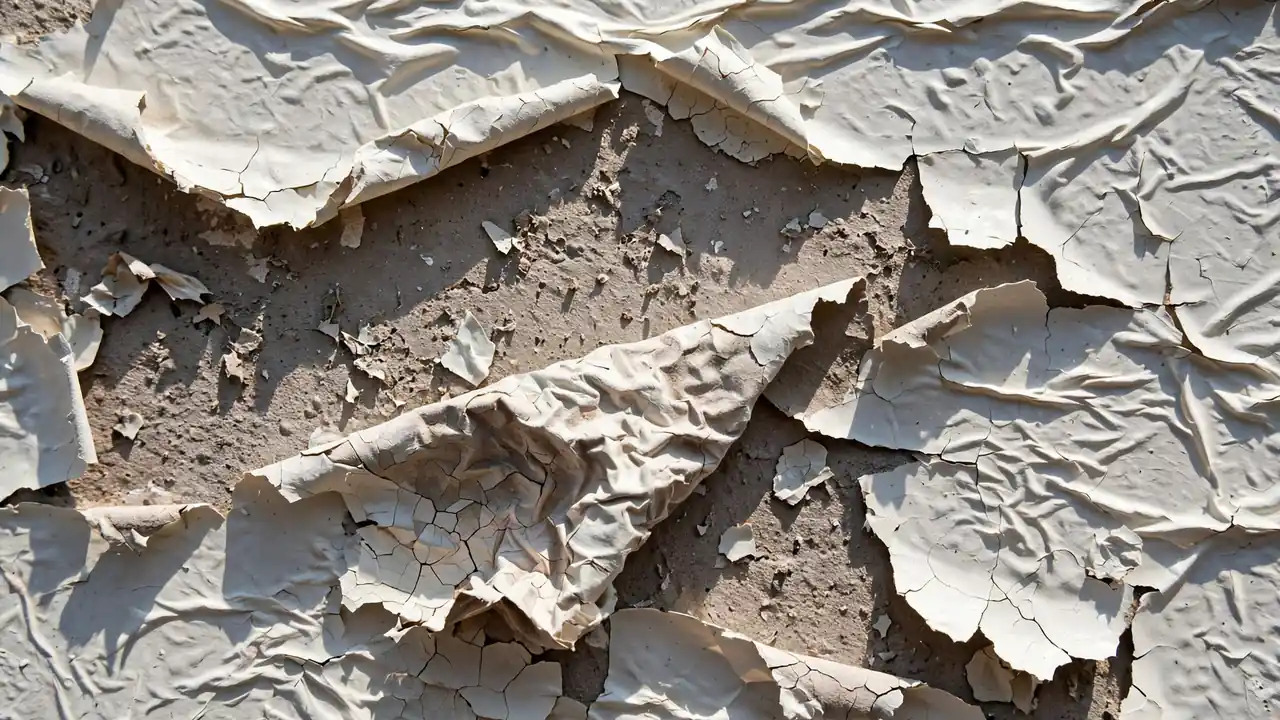
Ask ten painters how long to wait before the second coat and you will hear one honest answer: it depends, and the can in your hand is the authority. Recoat too soon and the fresh coat drags, wrinkles, or lifts the one under it, because the lower coat is still soft. Wait far too long with certain oil and enamel paints and the fully cured, glossy surface gives the next coat nothing to grip, so it can peel later unless you sand first. Between those two failure points sits the recoat window, and hitting it is the cheapest quality upgrade in all of painting.
This guide gives you the working recoat times for the paints people actually use: latex and acrylic, oil-based alkyd, primers, chalk paint, spray enamel, and clear polyurethane. It also explains the three drying stages most labels blur together, how temperature, humidity, and coat thickness stretch or shrink every number, and the touch tests that tell you more than a clock can.
Featured Snippet Answer
Most latex paints need 2 to 4 hours between coats, while oil-based paints need about 24 hours. Primer usually needs 1 to 3 hours before a topcoat. Cool, humid air and thick coats stretch every time, so follow the recoat window printed on your can if it differs.
Before You Begin
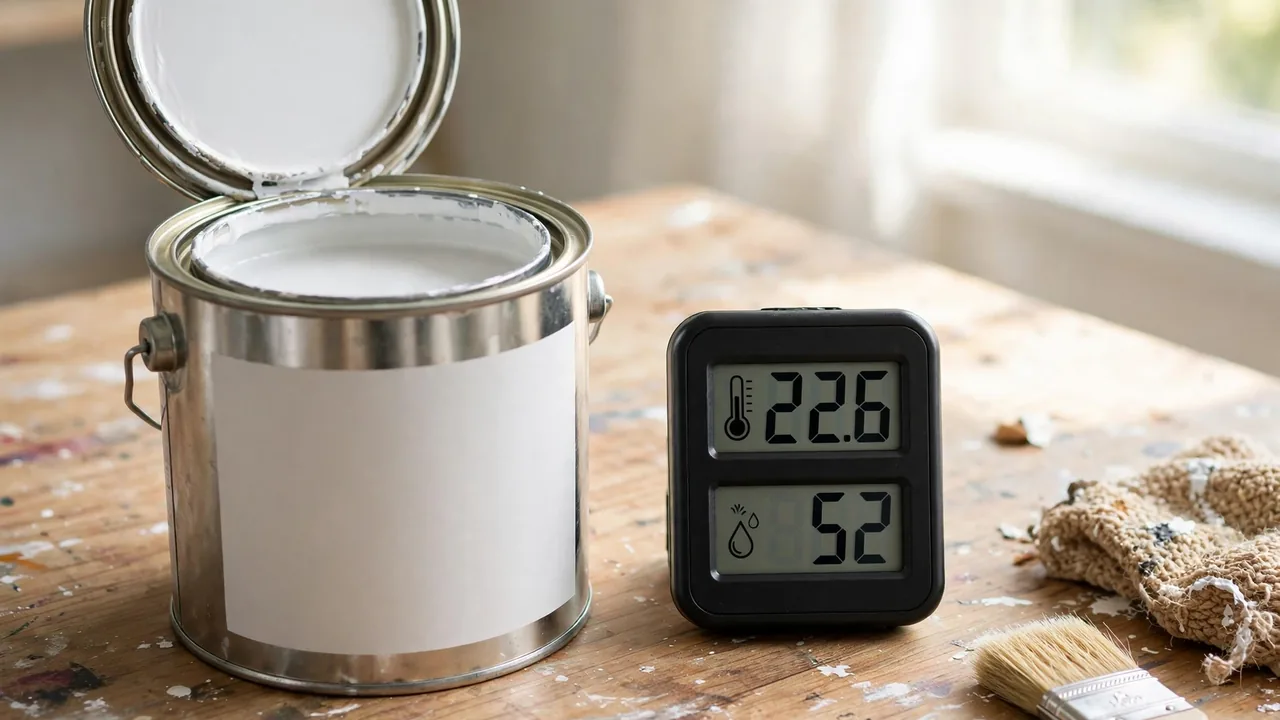
Before the first coat goes on, read the back of the can and find three numbers: dry to touch, recoat time, and any note about full cure. Manufacturers print these for a standard room, roughly 70 to 77 degrees Fahrenheit with moderate humidity. Your room is probably not that room, so treat the label times as the floor, not the promise. Note the time you finish each coat, on a strip of painter tape stuck to the wall. The clock for the recoat window starts when the coat is finished, not when you started.
Learn the three stages, because confusing them causes nearly every timing mistake. Dry to touch means the surface skin has set; the coat underneath is still soft. Recoat time means the coat is firm enough to accept another coat without damage. Full cure means the film has reached its final hardness, and for latex paint that takes two to four weeks. You paint at stage two and treat the finish gently until stage three.
At a Glance
| Detail | What to know |
|---|---|
| Difficulty | Easy; the skill is patience and reading the label |
| Time needed | Latex projects can take two coats in one day; oil projects span days |
| Cost | Free; timing mistakes are what cost money |
| Skill level | Beginner |
| Best for | Walls, trim, cabinets, furniture, and doors |
Things You’ll Need
| Item | Purpose |
|---|---|
| The paint can label | Your exact recoat window; it overrides any general chart |
| Phone timer or clock | Tracks each coat from the moment you finish it |
| Painter’s tape and a marker | Log coat times on the wall or lid so nothing relies on memory |
| A fan | Moves air across the surface and keeps drying even and honest |
| Thermometer and hygrometer, optional | Shows if your room is colder or damper than label conditions |
| Fine sandpaper, 220 grit | Scuffs a fully cured glossy coat so a late recoat can grip |
Safety Precautions
- Ventilate when you paint, especially with oil-based products. Open windows and run a fan that exhausts air outward. Solvent fumes in a closed room cause headaches fast and are a fire risk near ignition sources.
- Keep oil-based paint and its fumes away from pilot lights, heaters, and open flame until the area is fully aired out.
- Handle solvent-soaked rags with care. Rags wadded up with drying oils can heat and self-ignite. Spread them flat outdoors to dry fully, or store them in a sealed metal container with water, and follow local disposal rules.
- Give painted rooms time to air before children sleep in them.
Step-by-Step Guide
Start with the chart, then run the steps. Every time in the chart assumes a normal room and a normal thin coat.
Recoat Times by Paint Type
| Paint type | Dry to touch | Wait before recoating | Fully cured |
|---|---|---|---|
| Latex and acrylic wall or trim paint | About 1 hour | 2 to 4 hours | 2 to 4 weeks |
| Oil-based (alkyd) paint | 6 to 8 hours | 24 hours | About 7 days, longer in the cold |
| Latex primer | 30 minutes to 1 hour | 1 to 3 hours before the topcoat | Not applicable; it is covered |
| Oil-based primer | 1 to 2 hours | About 24 hours before the topcoat | Not applicable; it is covered |
| Chalk paint | 30 minutes to 1 hour | 2 to 4 hours | Sealer or wax hardens over the following weeks |
| Spray enamel (aerosol) | 10 to 20 minutes | Within 1 hour, or after 48 hours | About 5 to 7 days |
| Water-based polyurethane | 1 to 2 hours | 2 to 4 hours, with light sanding between coats | Light use in 3 to 7 days |
- Step 1: Read the recoat window on your can first. Formulations vary more than painters admit. If your label says 4 hours for a latex that charts elsewhere say 2, your label wins, because it was tested on your exact product.
- Step 2: Check your conditions against the label room. Latex paint wants roughly 50 to 90 degrees Fahrenheit; below that range it dries sluggishly and can fail to form a proper film at the coldest end. Humidity above about 70 percent slows water-based paint noticeably. Cold plus damp can double a recoat time.
- Step 3: Apply a proper thin first coat. A thin, even coat dries on schedule. A heavy coat skins over on top while staying soft underneath, which is the exact setup for wrinkling when the next coat lands.
- Step 4: Start the clock when you finish the coat. Write the finish time on tape. Large rooms fool people here: the first wall may be an hour old when the last wall is wet.
- Step 5: Test before you trust the clock. At the minimum time, touch an inconspicuous spot with a clean fingertip. The coat should feel dry and firm, not cool, tacky, or soft, and your finger should come away clean. If it feels like the skin on setting pudding, wait.
- Step 6: Recoat inside the window. For latex, the window is generous: any time after the minimum, including the next day or next week, is fine. For oil and enamel, aim for the stated window. For spray enamel, respect the odd rule on the chart: recoat within the first hour, or wait the full 48 hours. Spraying into the in-between hours is a classic cause of wrinkling, because the fresh solvent bites into a half-cured film and crinkles it.
- Step 7: If you missed the window on oil or enamel, sand. Once an alkyd or enamel coat has fully cured hard and glossy, scuff it lightly with 220-grit paper, wipe off the dust, and then recoat. The fine scratches give the new coat mechanical grip that the glassy surface refused to give.
- Step 8: Protect the final coat while it cures. After the last coat, the paint is recoat-dry long before it is life-proof. Keep furniture off it, avoid scrubbing, and expect full hardness over the cure period on the chart. Close doors and cabinets gently for the first days so fresh paint faces do not stick to each other, a failure called blocking.
How to Know You Did It Correctly
A correctly timed second coat almost tells you so while you apply it. The roller or brush glides without dragging, grabbing, or pulling the first coat into strings and ridges. As the second coat dries, the surface stays flat and uniform, with no wrinkling or lifting. A day later, the sheen matches across the whole surface. If the coat fought you during application, the timing was wrong, no matter what the clock said.
Expected Timeline and Results
A latex bedroom usually runs like this: first coat mid-morning, second coat in the early afternoon, furniture back the same evening, and gentle treatment for two to four weeks while the film cures. Oil-based trim stretches the same job across days, one coat per day. Primer adds an hour or three to the front of the day. Build your schedule around the slowest coat in the system, and the project stops feeling rushed.
Alternative Methods
Choose a faster product. If your calendar is tight, fast-dry latex paints and quick-dry primers sit at the short end of every window in the chart. Control the room instead of the paint. A fan moving air across the surface, a dehumidifier in damp weather, and a room held at a comfortable temperature keep you at the fast end of the window honestly. Delay on purpose with latex. Latex is forgiving about late recoats, so a second coat tomorrow or next weekend carries no penalty. With oil, delay has a price, the sanding step, so plan oil coats on consecutive days.
Common Mistakes to Avoid
- Recoating at dry-to-touch. The skin feels dry while the body of the coat is still soft. The next coat traps that softness and the surface wrinkles as it dries.
- Pouring on a thick coat to finish in one. Thick coats dry slowly, sag, wrinkle under a second coat, and stay soft for days. Two thin coats beat one thick coat on every measure.
- Using summer times in a winter garage. Cold, damp air can double or triple drying. Judge by temperature, humidity, and the touch test, not by the calendar of a warmer day.
- Ignoring the spray-paint middle window. Spray enamel recoated a few hours in, right in the forbidden gap, wrinkles dramatically. Early or fully cured are the only safe moments.
- Putting the room back into hard use at recoat-dry. Books, picture frames, and cabinet doors pressed against two-day-old latex can stick and peel the film when moved. Cure time is real time; respect the weeks, not just the hours.
Troubleshooting & Common Problems
| Problem | Cause | Solution |
|---|---|---|
| The second coat wrinkled as it dried | Recoated too soon; fresh solvent or water attacked the soft coat below | Let it harden fully, sand the wrinkles smooth, and recoat with a thin coat at the full window |
| The roller dragged and pulled the first coat | The first coat was still tacky when you started | Stop at once, let the coat firm up for several more hours, and test with a fingertip before resuming |
| Paint peeled weeks later in sheets | Recoated over a fully cured glossy coat without sanding, or over an uncured coat | Scrape back to a sound edge, sand and prime the area, then repaint on schedule |
| Sandpaper gums up and clogs instantly | The coat has not cured enough to sand | Wait another 24 to 48 hours; a coat that sands to powder is ready, a coat that rolls is not |
| Dull patches show through the finish | Uneven absorption, often from recoating over soft or patchy primer | Apply one more thin, even coat after the full recoat wait, keeping a wet edge across the whole surface |
Expert Tips
- Write coat times on tape, every time. Start and finish times on the can lid turn your next project into a reference instead of a fresh gamble.
- When in doubt with latex, wait longer. Latex punishes early recoats and forgives late ones. Overnight is always a safe second-coat appointment.
- Thin coats keep you honest. They dry on the schedule printed on the can, so your planning works. Thickness is the hidden variable behind most timing complaints.
- Keep conditions steady overnight. A room that cools sharply after sunset slows a late coat unevenly. Stable temperature gives an even cure.
When to Call a Professional
Most recoat failures are small and fixable with sanding and patience. Call a professional if a timing failure covers a whole kitchen of cabinets, an entire exterior elevation, or a sprayed finish, because stripping and restarting large areas is heavy, dusty work. Also call one if sanding old paint is involved and the home is old enough that lead paint is plausible; pros carry the testing, containment, and disposal setup that sanding lead safely demands.
What to Do Next
Once the final coat is on, set two reminders: one for the end of the cure period, when the surface can be washed and used normally, and one a month out to inspect edges, corners, and high-touch spots for early wear. Label the leftover paint with the room, the color, and the date, and store it sealed in a cool spot for touch-ups.
FAQs
Can I apply a second coat of latex paint after 1 hour?
The surface may feel dry at one hour, but most latex paints ask for 2 to 4 hours before recoating. At one hour the coat is usually still soft underneath, and a second coat can drag or wrinkle it. Let your can label and the fingertip test make the call.
What happens if I recoat paint too soon?
The fresh coat softens and disturbs the one under it. Common results are dragging and ridging during application, then wrinkling, lifting, or a rough orange-peel texture as the combined film dries. The fix is patience in reverse: let the mess harden completely, sand it smooth, and recoat on the proper schedule.
Can I wait a week between coats of paint?
With latex, yes, freely; a late recoat carries no penalty beyond dusting the surface first. With oil-based paint and enamels, a week means the first coat has fully cured and turned glossy, so scuff it with 220-grit sandpaper and wipe off the dust before the next coat, or the new coat may peel later.
How long should primer dry before painting over it?
Most latex primers are ready for a topcoat in 1 to 3 hours; oil-based primers usually want about 24 hours. Primer that is rushed can soften under the topcoat and weaken the whole system. Your primer can label gives the exact figure.
How long should paint cure before I put furniture back?
Light, careful use is fine after a day or two for latex, but full cure takes two to four weeks, and heavy or sticky objects should wait that long. Books, lamps, and cabinet contents pressed onto young paint can stick and lift the film.
Why did my spray paint wrinkle on the second coat?
Spray enamel has a two-part window: recoat within about an hour, or after roughly 48 hours, depending on the label. A coat sprayed in between hits a half-cured film, and its solvents wrinkle that film as they bite in. Let the wrinkled coat harden fully, sand it smooth, and spray the next coat outside the danger window.
Final Thoughts
Recoat timing is the quiet skill under every good paint job. Read the can, start the clock when the coat ends, test with a fingertip, and remember that dry, recoatable, and cured are three different days in a coat of paint. Respect the window and the paint rewards you with a smooth, hard finish that lasts; rush it, and the same paint will tell on you in wrinkles.