
Dust mites are microscopic pests that live in bedding, mattresses, carpets, upholstered furniture, and other fabric-covered surfaces. While they do not bite or spread disease, their waste products and body fragments are common indoor allergens that can trigger sneezing, congestion, itchy eyes, eczema, and asthma symptoms.
This guide is for homeowners, renters, and anyone struggling with dust mite allergies. By following these steps, you will significantly reduce dust mite populations, lower allergen levels, and create a healthier indoor environment.
Featured Snippet
To kill dust mites, wash bedding weekly in hot water at least 130°F (54°C), dry items on high heat, reduce indoor humidity below 50%, vacuum with a HEPA-filter vacuum, and use dust mite-proof mattress and pillow covers. Combining heat, humidity control, and regular cleaning is the most effective long-term strategy.
Before You Begin
Dust mite control requires ongoing maintenance because these pests naturally return when conditions become favorable.
| Factor | Details |
| Difficulty | Easy to Moderate |
| Time Required | 2–6 hours initially |
| Cost | Low to Moderate |
| DIY Friendly | Yes |
| Professional Needed | Rarely |
Most infestations can be managed without professional assistance.
Choosing the Right Approach
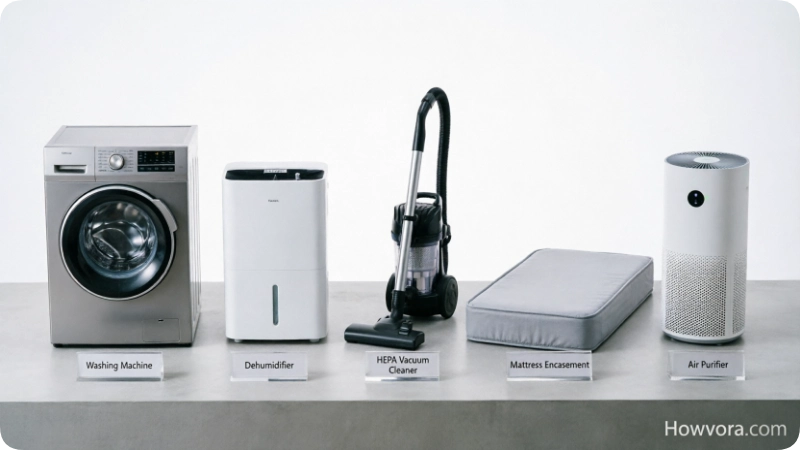
Several methods can reduce dust mites, but some are more effective than others.
| Method | Pros | Cons | Best Use Case |
| Hot Water Washing | Kills mites quickly | Requires regular repetition | Bedding and washable fabrics |
| High-Heat Drying | Effective and convenient | Not suitable for all materials | Pillows, blankets, linens |
| Humidity Control | Prevents population growth | Requires ongoing monitoring | Whole-home prevention |
| HEPA Vacuuming | Removes allergens and mites | Time-consuming | Carpets and upholstery |
| Encasement Covers | Long-lasting protection | Initial purchase cost | Mattresses and pillows |
| Chemical Sprays | May provide short-term control | Limited effectiveness indoors | Specific situations |
The most effective approach combines hot washing, humidity reduction, HEPA vacuuming, and protective covers. No single method provides complete control on its own.
At a Glance
| Category | Details |
| Main Goal | Kill dust mites and reduce allergens |
| Best Method | Heat + humidity control |
| Results Timeline | Days to several weeks |
| Maintenance Frequency | Weekly |
| Long-Term Success | Continuous prevention |
Things You’ll Need
| Item | Purpose |
| Hot water washing machine | Kill mites in bedding |
| Clothes dryer | Heat treatment |
| HEPA vacuum | Remove mites and allergens |
| Hygrometer | Measure humidity |
| Dehumidifier | Lower moisture levels |
| Mattress encasement | Prevent mite buildup |
| Pillow covers | Protect sleeping surfaces |
| Microfiber cloths | Dust removal |
Safety Precautions
While dust mite removal is generally safe, keep these precautions in mind:
- Wear a dust mask if you have allergies or asthma.
- Open windows when cleaning heavily affected rooms.
- Follow manufacturer instructions when using dehumidifiers.
- Avoid excessive moisture during cleaning.
- Use caution when moving heavy mattresses and furniture.
People with severe asthma should consider having another household member perform initial deep-cleaning tasks.
Step-by-Step Guide
Step 1: Wash Bedding in Hot Water
Wash sheets, pillowcases, blankets, and comforters in water at least 130°F (54°C).
Why It Matters
Heat is one of the most reliable ways to kill dust mites.
What Success Looks Like
Freshly cleaned bedding with significantly fewer live mites.
Common Beginner Mistakes
- Using cold or lukewarm water
- Waiting too long between washes
- Forgetting pillow protectors
Step 2: Dry Everything on High Heat
Place washed items in a dryer on the highest safe temperature setting for at least 20–30 minutes.
Why It Matters
Dryer heat kills surviving mites and removes moisture.
What Success Looks Like
Completely dry fabrics with reduced mite activity.
Common Beginner Mistakes
- Air-drying items indoors
- Using low-heat settings
Step 3: Install Dust Mite-Proof Covers
Encase mattresses, box springs, and pillows with allergen-proof covers.
Why It Matters
Dust mites thrive inside mattresses where cleaning is difficult.
What Success Looks Like
Protected sleeping surfaces with fewer allergen sources.
Common Beginner Mistakes
- Leaving mattresses uncovered
- Purchasing non-certified covers
Step 4: Reduce Indoor Humidity
Keep indoor humidity between 30% and 50%.
Why It Matters
Dust mites require moisture to survive and reproduce.
What Success Looks Like
Humidity readings consistently below 50%.
Common Beginner Mistakes
- Ignoring humidity levels
- Running humidifiers unnecessarily
Step 5: Vacuum Thoroughly with a HEPA Vacuum
Vacuum carpets, rugs, upholstered furniture, and mattress surfaces.
Why It Matters
Vacuuming removes mites, allergens, skin flakes, and dust.
What Success Looks Like
Noticeably cleaner surfaces and reduced dust accumulation.
Common Beginner Mistakes
- Using vacuums without HEPA filtration
- Vacuuming too quickly
Step 6: Remove Dust-Trapping Items
Reduce clutter, excess textiles, and decorative fabric items.
Why It Matters
Dust mites thrive in areas where dust accumulates.
What Success Looks Like
Simpler rooms that are easier to clean.
Common Beginner Mistakes
- Keeping unused stuffed animals on beds
- Ignoring fabric storage areas
Step 7: Clean Upholstery and Curtains
Wash or steam-clean curtains and upholstered furniture regularly.
Why It Matters
These surfaces often harbor significant mite populations.
What Success Looks Like
Cleaner furniture and reduced allergen reservoirs.
Common Beginner Mistakes
- Cleaning only bedding
- Forgetting guest rooms
How to Know You Did It Correctly
Look for these signs:
- Reduced allergy symptoms
- Less morning congestion
- Cleaner bedding and furniture
- Lower humidity readings
- Reduced visible dust accumulation
Improvement often becomes noticeable within one to three weeks.
Expected Timeline and Results
| Timeframe | Expected Results |
| First Week | Reduced live mite populations |
| 2–4 Weeks | Lower allergen levels |
| 1–2 Months | Noticeable symptom improvement |
| Ongoing | Long-term control |
Continue maintenance even after symptoms improve.
Alternative Methods
Freezing Small Items
Place stuffed animals or small fabric items in sealed bags and freeze them for 24 hours.
Advantages
- Easy
- Chemical-free
Disadvantages
- Not practical for large items
Steam Cleaning
Steam carpets, mattresses, and upholstery.
Advantages
- Effective heat treatment
- Deep cleaning
Disadvantages
- Requires specialized equipment
Air Purifiers
Use HEPA air purifiers in bedrooms.
Advantages
- Removes airborne allergens
Disadvantages
- Does not kill mites directly
Common Mistakes to Avoid
Washing Bedding in Cold Water
Dust mites survive many cold-water wash cycles.
Ignoring Humidity
Humidity above 50% supports dust mite growth.
Cleaning Only Visible Dust
Dust mites often hide deep within fabrics.
Skipping Mattress Protection
Mattresses can contain large dust mite populations.
Inconsistent Maintenance
One-time cleaning rarely provides lasting results.
Why Many Attempts Fail
Most failures occur because people focus on only one control method.
Common reasons include:
- Not reducing humidity
- Infrequent washing
- Poor vacuum filtration
- Ignoring mattresses
- Stopping maintenance too soon
The most successful strategy combines multiple methods simultaneously.
Troubleshooting & Common Problems
| Problem | Possible Cause | Solution |
| Allergies persist | Hidden allergen sources | Deep-clean carpets and upholstery |
| Humidity remains high | Poor ventilation | Use a dehumidifier |
| Dust returns quickly | Clutter accumulation | Remove unnecessary textiles |
| Mattress symptoms continue | No encasement cover | Install allergen-proof covers |
| Musty smell remains | Excess moisture | Check for leaks and improve airflow |
Expert Tips
- Focus on the bedroom first because most dust mite exposure occurs during sleep.
- Replace old pillows every few years.
- Use washable area rugs instead of wall-to-wall carpeting when possible.
- Monitor humidity year-round with a hygrometer.
- Vacuum mattresses before installing encasement covers.
- Wash pet bedding regularly because it collects skin flakes that support dust mites.
When to Call a Professional
DIY methods are usually sufficient.
Consider professional help when:
- Severe allergy symptoms continue despite treatment.
- Large carpeted areas are heavily affected.
- Moisture problems cannot be resolved.
- Mold and dust mite issues occur together.
- Asthma symptoms worsen indoors.
An allergist can also help identify whether dust mites are the primary trigger.
What to Do Next
After reducing dust mites:
- Continue weekly bedding washing.
- Monitor humidity monthly.
- Vacuum high-risk areas weekly.
- Replace worn encasement covers when needed.
- Conduct seasonal deep cleaning.
Consistency is the key to long-term success.
FAQs
Do dust mites die in the washing machine?
Yes, washing fabrics in water at least 130°F (54°C) effectively kills dust mites.
Can dust mites live on hardwood floors?
They can be present temporarily, but they thrive primarily in fabrics, carpets, and bedding.
Does vacuuming kill dust mites?
Vacuuming mainly removes mites and allergens rather than killing them.
What temperature kills dust mites instantly?
Temperatures above 130°F (54°C) are generally effective for killing dust mites.
Can I completely eliminate dust mites from my home?
Complete elimination is unlikely, but you can reduce populations and allergen levels dramatically.
Do air purifiers kill dust mites?
No. Air purifiers remove airborne allergens but do not kill mites directly.
Are dust mite sprays effective?
Some sprays may help temporarily, but heat and humidity control provide better long-term results.
How often should I wash bedding to control dust mites?
Weekly washing is recommended for most households.
Final Thoughts
Learning how to kill dust mites is really about combining several proven strategies rather than relying on a single solution. Regular hot-water washing, high-heat drying, humidity control, HEPA vacuuming, and protective mattress covers work together to reduce mite populations and allergen exposure. With consistent maintenance, most people can create a cleaner home and experience noticeable relief from dust mite-related symptoms.
