Introduction

Acrylic paint is water-based, which makes it forgiving while it is wet and stubborn once it dries. Fresh paint rinses off skin, brushes, and most surfaces with plain soap and water. Dried paint forms a flexible plastic film that water alone cannot dissolve, and it needs a solvent such as rubbing alcohol, hand sanitizer, or acetone to break it down.
This guide covers both cases. You will learn the fastest method for each surface, from skin and hair to clothes, carpets, wood, and glass, plus how to rescue dried brushes and what to do when paint has already set into fabric. The methods use common household supplies, and most jobs take only a few minutes once you know the right approach.
Featured Snippet Answer
To remove acrylic paint, act fast while it is wet and wash with warm water and soap. For dried paint, soften it with rubbing alcohol, hand sanitizer, or acetone, then scrape or scrub gently and rinse. On clothes, soak the stain in alcohol or dish soap before washing in the hottest water the fabric allows.
Before You Begin

Identify the paint state first, because wet and dry acrylic paint need different treatments. Wet paint is still water-soluble and washes out with soap and water. Dried paint has cured into a plastic film, and you need a solvent to soften it before scrubbing will work. Check the surface too: alcohol and acetone are safe on glass, metal, and most hard surfaces, but they can damage varnished wood, some plastics, and delicate fabrics.
Gather your supplies before you start, and test every solvent in a hidden spot. A dab on the inside of a hem or under a piece of furniture tells you in a minute if the solvent will damage the finish or the fabric. Never mix solvents, and never use acetone on acetate fabric, since acetone dissolves acetate fibers.
At a Glance
| Detail | What to know |
|---|---|
| Difficulty | Easy for wet paint; moderate for dried paint |
| Time needed | 5 to 30 minutes, depending on the surface and paint state |
| Cost | $0 to $10; most methods use supplies already at home |
| Skill level | Beginner; no special tools needed |
| Best for | Skin, brushes, clothes, carpets, wood, glass, and plastic |
Things You’ll Need
| Item | Purpose |
|---|---|
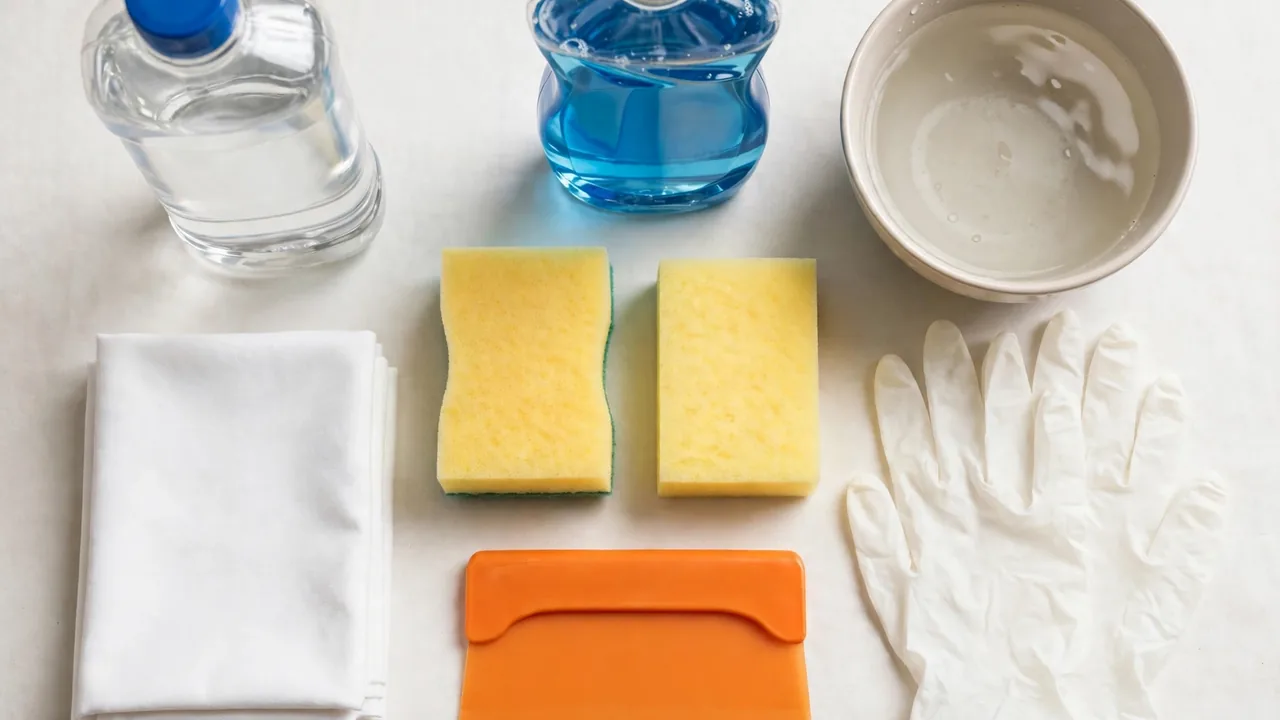
| Warm water and dish soap | Washes out wet paint and loosens dried paint |
| Rubbing alcohol (isopropyl) | Softens and dissolves dried acrylic paint |
| Hand sanitizer | A gentle alcohol gel that clings to vertical surfaces |
| Acetone or nail polish remover | Strong solvent for stubborn dried paint on hard surfaces |
| White vinegar | A mild solvent that helps lift paint from fabric and brushes |
| Old toothbrush or soft scrub brush | Works solvent into the paint without damaging the surface |
| Plastic scraper or old credit card | Lifts softened paint from hard surfaces without scratching |
| Clean rags and paper towels | Blotting, wiping, and testing solvents |
| Laundry detergent and stain remover | Finishes the job on clothes after the solvent step |
| Glycerin or hair conditioner | Softens dried paint on hair and delicate fabric |
| Gloves | Protects skin from solvents and dried paint flakes |
Safety Precautions
- Ventilate the room when you use solvents. Rubbing alcohol and acetone release fumes. Open a window and keep the work area aired out.
- Keep solvents away from flames. Alcohol and acetone are flammable. Do not use them near stoves, candles, or pilot lights.
- Test on a hidden spot first. Acetone damages varnish, some plastics, and acetate fabric. A one-minute test prevents a permanent mark.
- Wear gloves with strong solvents. Acetone dries skin quickly and irritates cuts. Gloves keep the solvent on the paint, not on your hands.
- Do not use acetone on your face or near your eyes. Use soap and water or oil-based makeup remover for paint on the face.
- Keep solvents out of reach of children and pets. Store them capped and upright, and wipe up spills right away.
Step-by-Step Guide
- Step 1: Remove wet paint immediately. Blot, do not rub, the wet paint with a paper towel to lift as much as possible. Rubbing pushes paint deeper into fabric and spreads it across hard surfaces. Rinse the area with warm water right away.
- Step 2: Wash wet paint with soap and water. On skin, use warm water and dish soap or hand soap and scrub gently. On fabric, rinse under running water from the back of the stain so the paint pushes out instead of deeper in, then apply dish soap and work it in with your fingers.
- Step 3: Identify dried paint and pick the right solvent. For skin and delicate surfaces, start with rubbing alcohol or hand sanitizer. For clothes, use rubbing alcohol or a vinegar soak. For hard surfaces like glass and metal, acetone works fastest. Always test first on a hidden spot.
- Step 4: Soften the dried paint. Saturate a rag or cotton ball with the solvent and press it onto the paint for 5 to 10 minutes. Dried acrylic paint needs time to soften, and scrubbing too early only smears it. Reapply solvent if the rag dries out.
- Step 5: Scrape or scrub gently. Lift the softened paint with a plastic scraper on hard surfaces, or work it with an old toothbrush on fabric and skin. Work from the outside of the stain inward so it does not spread. Repeat the solvent and scrub cycle until the paint is gone.
- Step 6: Rinse and wash the area. Rinse skin with warm water and soap. Wash clothes in the washing machine with detergent on the hottest setting the fabric label allows. Wipe hard surfaces with a damp cloth to remove solvent residue.
- Step 7: Treat stubborn spots a second time. If a faint stain remains on fabric, soak it in a mix of dish soap and warm water for 30 minutes, then wash again. For hard surfaces, a second round of acetone on a rag usually clears what the first round left behind.
- Step 8: Rescue dried brushes. Soak the bristles in warm water mixed with a few drops of dish soap, or in white vinegar heated until hot but not boiling. After 30 minutes, comb the bristles with a fork or an old comb and rinse. Repeat for brushes that dried solid.
- Step 9: Remove paint from hair. Work a generous amount of conditioner or glycerin through the painted section and let it sit for 10 minutes. Comb the paint out gently with a fine-tooth comb, then wash with shampoo. Avoid solvents on hair, since they dry it out and irritate the scalp.
- Step 10: Clean carpet spots. Blot up wet paint, then press a rag soaked in rubbing alcohol onto the spot for 5 minutes. Blot, never rub, and rotate the rag to a clean section often. Repeat until the paint lifts, then blot with soapy water and rinse with a damp cloth.
- Step 11: Remove paint from wood. On finished wood, use rubbing alcohol on a soft cloth and rub gently, since acetone strips varnish. On unfinished wood, let the paint dry, then sand it off lightly with fine sandpaper and wipe the dust away.
- Step 12: Check your work in good light. Acrylic paint leaves a faint film that is easy to miss. Inspect the area from different angles and run your hand over it. If you feel a rough patch or see a haze, repeat the solvent step once more.
How to Know You Did It Correctly
The surface should look and feel exactly as it did before the paint arrived. On fabric, hold the spot up to the light: no color should remain, and the fibers should feel soft, not stiff. On skin, no paint flakes should come off when you rub the area, and the skin should not feel tacky.
Expected Timeline and Results
Wet paint comes off in under 5 minutes with soap and water. Dried paint on skin or a hard surface usually takes 10 to 20 minutes of soaking and scrubbing. Dried paint in fabric takes longer, often 30 to 60 minutes including soak time, and may need two wash cycles before the stain is fully gone.
Expect full removal on non-porous surfaces like glass, metal, and sealed tile. On fabric and carpet, a faint shadow can remain if the paint dried and set for days, especially with dark colors on light fabric. In those cases the stain fades with each wash, and a second solvent treatment usually clears it.
Alternative Methods
A commercial paint remover or graffiti remover works on large dried spills and on surfaces where household solvents are too slow. These products are stronger than rubbing alcohol, so they need gloves, ventilation, and a test spot, and they cost more than the household route. They are the best choice when paint has dried on a large area of concrete, brick, or metal.
Common Mistakes to Avoid
- Rubbing a wet spill instead of blotting. Rubbing spreads paint and pushes it into fibers, turning a small spot into a large stain.
- Putting paint-stained clothes in the dryer. Heat sets acrylic paint permanently. Always check the stain is gone before drying, and air-dry if you are unsure.
- Using acetone on the wrong surface. Acetone dissolves varnish, some plastics, and acetate fabric. Test it first, and use rubbing alcohol instead on anything delicate.
- Scrubbing dried paint before softening it. Dry scrubbing smears the paint and scratches the surface. Soften it with solvent first.
- Mixing solvents. Combining cleaners and solvents can create harmful fumes. Use one product at a time and rinse between products.
- Forgetting to test on fabric. A solvent that removes paint can also remove dye. Test inside a hem before treating a visible stain.
Troubleshooting & Common Problems
| Problem | Cause | Solution |
|---|---|---|
| Paint will not budge | Solvent did not soak long enough, or paint fully cured | Reapply solvent and let it sit 10 to 15 minutes, then scrape again |
| Stain remains after washing | Paint set in fabric, or the item went through the dryer | Soak in alcohol and dish soap, scrub, and wash again; repeat as needed |
| Solvent damaged the finish | Acetone used on varnish or delicate plastic | Stop at once, rinse with water, and switch to rubbing alcohol on a hidden test spot |
| Paint smeared across the surface | Rubbing instead of blotting, or scrubbing before softening | Blot with a clean rag and solvent, working from the outside in |
| Brush bristles still stiff | Paint dried deep into the ferrule | Soak in hot vinegar for an hour, then comb the bristles out and rinse |
| Carpet stain keeps returning | Paint pushed deeper by rubbing | Blot with alcohol on a clean rag, rotate the rag often, and finish with soapy water |
Expert Tips
- Keep a bottle of hand sanitizer in your paint kit. Its gel form stays on vertical surfaces and skin long enough to soften paint, and it is gentler than acetone.
- Work from the back of fabric stains. Rinsing and treating from the reverse side pushes paint out of the fibers instead of deeper into them.
- Use a plastic scraper, not a metal one. Metal scrapers scratch glass, wood, and plastic, while a plastic edge or an old credit card lifts paint safely.
- Freeze small fabric items to flake paint off. A few hours in the freezer makes thick dried paint brittle, so you can crack and peel large flakes before treating the residue.
- Rinse brushes before the paint dries. A 30-second rinse during a painting session saves a 30-minute rescue soak later.
When to Call a Professional
Call a professional cleaner for large paint spills on expensive rugs, upholstered furniture, or delicate fabrics such as silk and wool, where a wrong solvent can cause more damage than the paint. A dry cleaner can also treat a stained garment that has already been through the dryer, since heat-set paint needs professional solvents.
Hire a refinishing professional if paint has dried across a large area of hardwood floor or a varnished surface, because aggressive removal strips the finish and the floor needs sanding and refinishing anyway. The same applies to paint on antique furniture, where the finish is part of the value.
What to Do Next
After the paint is gone, wash the area once more with soap and water to remove all solvent residue, and let it dry fully. On fabric, check the stain in daylight before drying, and repeat the treatment if any shadow remains. Store your solvents capped and labeled, and keep a small bottle of rubbing alcohol with your paint supplies for the next project.
Prevent the next mess by laying drop cloths, wearing old clothes, and keeping a damp rag and a bowl of soapy water within reach while you paint. Wiping a drip the moment it lands takes seconds, while removing it after it dries takes far longer.
FAQs
Does acrylic paint wash out of clothes?
Yes, if it is still wet. Rinse under warm water and wash with detergent. Dried acrylic paint needs rubbing alcohol or a vinegar soak first, and it may not come out completely if it has been heat-set in the dryer.
Does rubbing alcohol remove acrylic paint?
Yes. Rubbing alcohol softens and dissolves dried acrylic paint on skin, fabric, glass, and most hard surfaces. Apply it to a rag, let it sit for 5 to 10 minutes, then scrub gently.
How do you remove dried acrylic paint from skin?
Rub hand sanitizer or rubbing alcohol over the paint, let it sit for a few minutes, then wash with warm water and soap. For stubborn spots, apply a little oil or lotion and rub gently with a washcloth.
Will acrylic paint come out of carpet?
Usually, yes. Blot up what you can, press an alcohol-soaked rag onto the spot, and blot repeatedly with clean sections of the rag. Avoid rubbing, which pushes paint deeper into the fibers.
Can acetone remove acrylic paint?
Yes, acetone is one of the strongest solvents for dried acrylic paint on glass, metal, and concrete. Do not use it on varnished wood, some plastics, or acetate fabric, since it can dissolve or damage those surfaces.
How do I clean dried acrylic paint from brushes?
Soak the bristles in hot white vinegar or warm soapy water for 30 minutes, then comb the bristles with a fork or old comb and rinse. Repeat the soak for brushes that dried solid.
Will acrylic paint wash off in the washing machine?
Wet paint usually washes out with detergent. Dried paint does not wash out on its own, so treat the stain with rubbing alcohol or dish soap first, and check the stain before putting the item in the dryer.
Final Thoughts
Acrylic paint is one of the easiest paints to clean up, as long as you match the method to the moment. Wet paint needs only soap and water, and dried paint needs a few minutes of patience with rubbing alcohol. Keep the right supplies near your painting area, act fast when a spill happens, and never put a stained garment in the dryer until the stain is gone.